Top Global Healthcare Leaders Rethink Access, AI and Equity in 2026

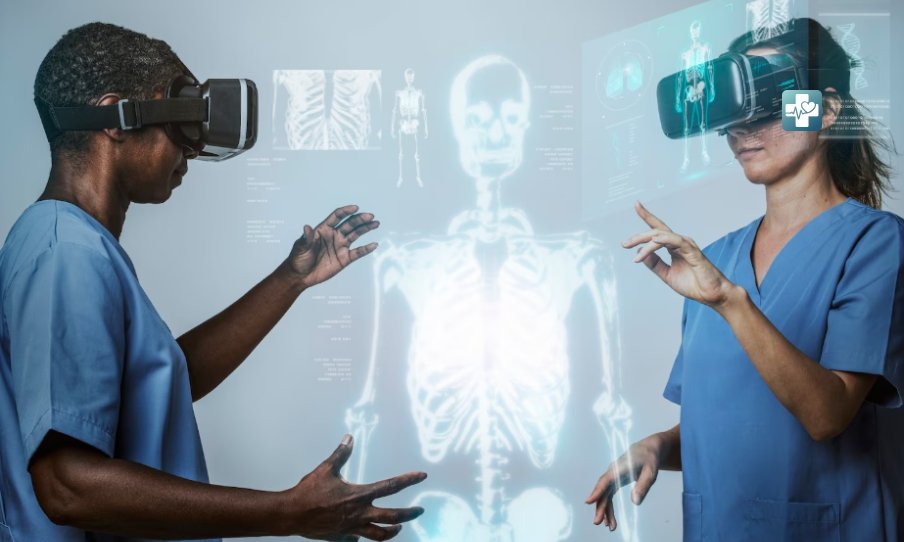
Some big names in medicine now back setups where smart software guides treatment choices, care reaches more people, especially those left behind before. Leaders like top-ranked hospital chiefs push connected hubs – local clinics tied to virtual visits plus outreach teams – all fed by live updates on patient flow. Machines sort cases by urgency, predict bed shortages, spot groups needing extra help; doctors still make key calls, stay close to patients. By 2026, blending tech with hands-on oversight becomes standard shape of things.
Nowhere is the shift clearer than in how money moves through health systems. Instead of just slashing budgets, officials lean on smarter care models that pay for results, forecast spending more accurately, or streamline where supplies go. These changes aim to save funds while keeping workers intact. Leading the charge are women shaping tech paths in medicine. Named among a list of influential figures for 2026, they push digital services to fit people who face barriers – those with limited reading skills, living far from cities, or managing disabilities. From mobile tools tracking pregnancy outcomes across parts of Africa, to automated support chats easing distress in South Asian communities, their reach extends into software helping patients manage long-term conditions throughout Central and South America.
Out front, stars and nonprofit heads pour money into trial projects – ones that teach communities about mental wellness, early checkups, using apps for care. Behind the scenes, their support keeps stigma fading. Should momentum hold, one thing might shift by 2026: smarter tools paired with fairer systems start lifting results for millions left behind too long.