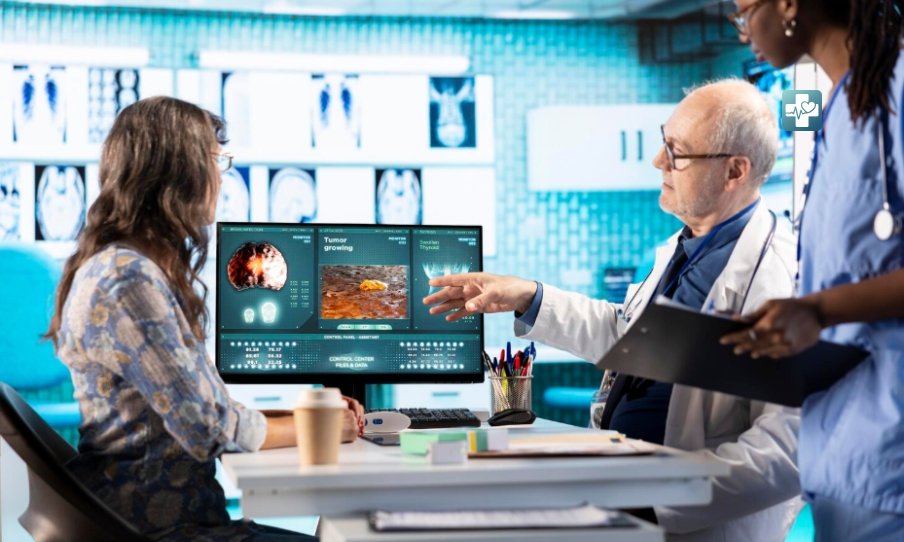
Top healthcare leaders drive global partnerships for AI‑driven diagnostics and universal care access

Big names in global health are teaming up across countries, linking smart diagnosis tech, online clinics, and test programs for broad medical coverage. Instead of waiting, patients in distant areas now get help through image analysis powered by machines, video check-ins, followed by constant tracking at home.
Top hospital chiefs plus startup founders join forces with officials and donors, aiming where expert doctors are fewest. The setup acts like shared community systems – firms supply gear and funds, later earning steady work plus permission to use info, only if privacy stays locked down tight.
Right now, top figures in global health groups push for shared rules so AI medical tools can work together smoothly. Because fairness matters, they demand strict checks for hidden biases inside these systems. Clear decision-making structures must back every tool built with artificial intelligence.
Without strong supervision, such technology might worsen gaps in care or weaken public faith in hospitals and clinics. Some early tests show benefits – doctors handle tasks faster, patients get diagnosed sooner, treatment follows proven methods more closely in routine visits. Still, officials say third-party reviews come first before wider rollout. When everything lines up, 2026 becomes a turning point. Leaders will be measured less by numbers alone, more by whether tech lifts those left behind.