Health information can travel around the world in seconds, but accuracy does not always travel with it. A social media post describing a frightening reaction, a video questioning medical advice or a personal story shared by a concerned parent can quickly influence how people view vaccination. The challenge is separating genuine safety concerns from claims that lack credible evidence. Understanding the Measles Vaccine is a useful example of why reliable sources, scientific research and careful reasoning matter when making healthcare decisions.
Measles is far more than a childhood rash. It is a highly contagious viral disease that can cause pneumonia, brain inflammation, blindness and, in severe cases, death. Vaccination has significantly reduced its burden, yet gaps in immunisation continue to leave communities vulnerable. The World Health Organization (WHO) reported that approximately 29 million infants remained under-protected against measles in 2025 because they had not received both recommended doses. This figure highlights why public understanding of vaccine safety and effectiveness remains important.
Understanding What the Measles Vaccine Actually Does
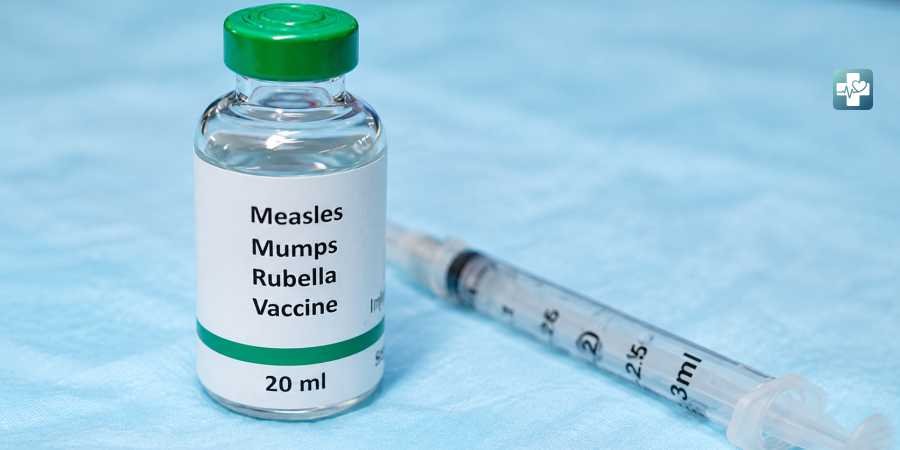
The Measles Vaccine is commonly administered as part of a combination vaccine. In many countries, children receive the measles, mumps and rubella (MMR) vaccine, while India’s routine immunisation programme uses the measles-rubella (MR) vaccine. These vaccines train the immune system to recognise the viruses and respond more effectively if exposure occurs.
The protection is substantial, although no vaccine offers absolute certainty. According to the WHO, two doses of a measles-containing vaccine provide approximately 97% protection against measles. The second dose matters because some children do not develop adequate immunity after their first vaccination.
This distinction helps explain why reports of measles among vaccinated people do not automatically prove that vaccination is ineffective. A small proportion of vaccinated individuals may still become infected, but the overall likelihood of infection is much lower. Vaccination also helps reduce the conditions that allow the virus to spread through schools, households and communities.
Myth One: The MMR Vaccine Causes Autism
Few vaccine claims have generated as much public concern as the alleged connection between MMR vaccination and autism. The timing can appear persuasive to parents because signs of autism may become noticeable during the same period when children receive routine vaccinations. However, events occurring around the same time do not necessarily share a cause.
The evidence does not support a causal link. In December 2025, the WHO‘s Global Advisory Committee on Vaccine Safety reviewed two systematic assessments of research published between 2010 and August 2025. Its evaluation found that the strongest studies did not support an association between vaccines and autism spectrum disorder. Studies suggesting a connection generally had serious methodological limitations and a high risk of bias.
The important lesson is that a scientific conclusion should reflect the overall body of evidence, not a single alarming headline or isolated study. When evaluating claims about the Measles Vaccine, readers should look for independent research, large participant groups, transparent methods and findings that have been assessed alongside other studies.
Myth Two: Vaccines Have No Side Effects, or Their Risks Are Hidden
A credible discussion of vaccination should acknowledge that side effects can occur. Common reactions to the MMR vaccine include soreness at the injection site, fever, a mild rash and swollen glands. These effects are generally temporary. In some children, a fever can trigger a febrile seizure, although this remains uncommon. The US Centers for Disease Control and Prevention (CDC) estimates that such seizures occur in approximately one in every 3,000 to 4,000 children vaccinated with MMR.
Recognising these risks is not an argument against vaccination. It is part of informed decision-making. The relevant comparison includes the likelihood and severity of vaccine reactions alongside the complications associated with measles itself. The disease can lead to hospitalisation and serious long-term consequences, making the balance of risks an important consideration.
The Measles Vaccine is not appropriate for every individual in every circumstance. Certain people, including those with severe immune-system suppression or a history of a serious allergic reaction to a vaccine component, may need to avoid it. A qualified healthcare professional can assess these situations and recommend an appropriate course of action.
Myth Three: Natural Infection Is Better Than Vaccination
Another common argument suggests that catching measles naturally provides stronger or more desirable immunity than receiving a vaccine. While natural infection can produce immunity, acquiring it means accepting the risks of the disease and potentially exposing other people.
Measles spreads exceptionally easily. An infected person can transmit the virus before the characteristic rash appears, making early identification difficult. Complications can affect even people who were previously healthy, and infection can temporarily weaken the immune system’s ability to respond to other pathogens.
Vaccination offers a way to develop protection without deliberately undergoing the disease and its associated dangers. The purpose of the Measles Vaccine is therefore not simply to prevent a rash. It is to reduce the risk of severe illness, limit transmission and protect people who cannot receive certain vaccines because of medical conditions.
Why Evidence Matters for Public Health
Individual vaccination decisions can influence more than one household. When immunisation coverage falls, measles has more opportunities to spread, particularly among infants who are too young for routine vaccination and people who cannot safely receive certain vaccines. The WHO’s global coverage figures show that millions of children remain insufficiently protected, leaving preventable gaps in community immunity.
In India, parents can consult the Ministry of Health and Family Welfare’s national immunisation guidance and speak with an authorised healthcare provider about the appropriate MR vaccination schedule. Families who have missed a scheduled dose should seek advice rather than relying on online speculation or assuming that the opportunity has passed.
Eventually, understanding the Measles Vaccine requires a balance of openness and critical thinking. Legitimate questions about side effects deserve clear answers, while unsupported claims should not be treated as equivalent to carefully evaluated scientific evidence. Checking sources, examining the quality of research and consulting qualified health professionals can help people make better-informed decisions. In public health, reliable information is not merely a way to settle arguments. It is part of protecting individuals and the wider community from preventable disease.