Healthcare Education Project: Transforming Learning and Community Health
Worldwide, medical services keep changing fast – education now matters more than ever for people to get proper treatment. Instead of just treating illness, teaching helps close the distance between doctors’ expertise and what the public actually knows. Training that follows clear steps, outreach that spreads understanding, plus local involvement create healthier neighborhoods over time. As cities grow and new diseases appear, knowing how to stay healthy becomes harder yet more necessary. Lessons aimed at real needs give regular folks, learners, even trained staff tools they can use every day.
The Rising Role of Learning in Health Care
Now it’s not just doctors who know about health stuff. Folks everywhere are starting to see why knowing how to stay well matters – like eating right, staying clean, managing sickness. One effort takes tricky medical facts and turns them into lessons anyone can follow, no matter where they’re from or what they’ve learned before.
Now schools, public offices, and charities work together more than before on teaching basic health habits. Programs like these usually aim at spreading knowledge around long-term illnesses, shots that prevent disease, care during pregnancy, along with emotional wellness. Because understanding dangers and how to avoid them changes behavior, healthier decisions tend to follow – visiting clinics sooner happens too.
Learning programs do more than teach facts. They shape tomorrow’s health workers through active practice. Schools mix in mock scenarios, group sessions, or local projects instead of lectures alone. Real tasks show learners how care works outside classrooms. Facing live situations builds readiness before they enter clinics.
Bridging the Gap Between Knowledge and Practice
One of the main objectives of a healthcare education project is to ensure that knowledge is not only delivered but also applied in everyday life. Many communities face barriers such as limited access to healthcare information, language differences, and cultural misconceptions about medical treatments. Educational programs aim to overcome these challenges by providing clear, culturally relevant communication.
Community-based learning has become an effective strategy for spreading health awareness. Workshops, school programs, and public seminars help people understand topics like first aid, sanitation, nutrition, and preventive health screenings. These programs also encourage participants to share their knowledge within their families and social networks, multiplying the impact of the initiative.
Technology has further strengthened the reach of healthcare education. Digital platforms, mobile applications, and online courses allow healthcare experts to connect with a broader audience. Through videos, interactive sessions, and virtual training modules, individuals can access reliable medical information without geographical limitations.
The Role of Collaboration in Healthcare Education
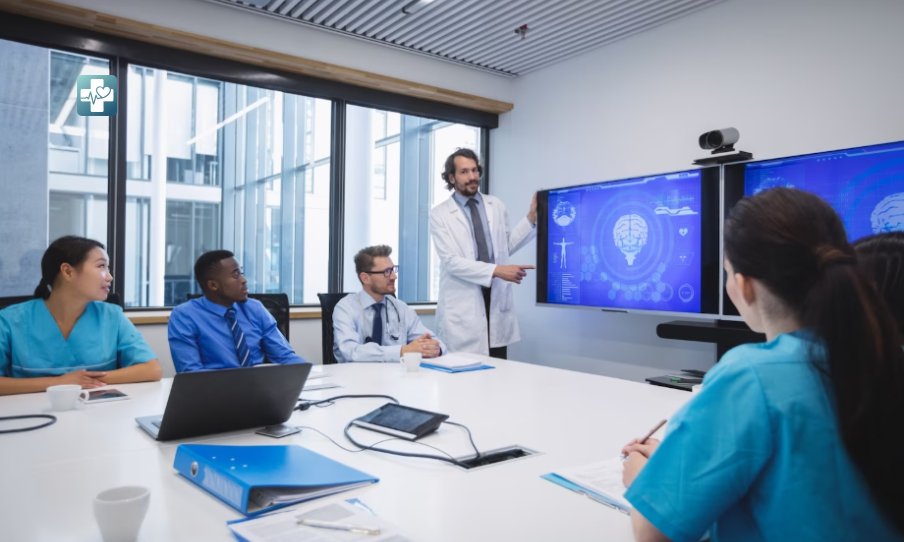
Successful implementation of a healthcare education project requires collaboration between multiple stakeholders. Healthcare professionals, educators, policymakers, and community leaders must work together to design programs that address real needs.
Hospitals and clinics often partner with educational institutions to provide training opportunities for students and volunteers. These partnerships allow learners to observe clinical environments while contributing to community outreach initiatives. Government organizations also support such programs by funding awareness campaigns and integrating health education into public policies.
Private sector organizations and non-profit groups play a crucial role in expanding the reach of educational efforts. Many companies sponsor health awareness drives, training workshops, and research programs aimed at improving public health literacy. By combining resources and expertise, these collaborations create sustainable learning models that benefit both communities and healthcare systems.
Another important aspect of collaboration is the involvement of local communities. When community leaders and residents participate in planning and implementation, programs become more relevant and effective. Their insights help tailor educational content to local challenges, ensuring that solutions are practical and culturally appropriate.
Long-Term Impact on Society and Healthcare Systems
The long-term benefits of a healthcare education project extend beyond immediate awareness campaigns. Over time, improved health literacy can lead to significant changes in how communities approach healthcare. People who understand preventive practices are more likely to adopt healthier lifestyles, reducing the burden on hospitals and healthcare facilities.
Educational initiatives also contribute to workforce development. Students who participate in health-focused learning programs often develop a deeper interest in medical and allied health careers. This helps address the growing demand for trained healthcare professionals in many parts of the world.
Furthermore, better-informed communities are more resilient during public health emergencies. When individuals understand how diseases spread and how preventive measures work, they can respond more effectively to outbreaks and health crises. This collective awareness strengthens the ability of healthcare systems to manage large-scale challenges.
Investing in education also supports innovation in the healthcare sector. As more people engage with medical knowledge and research opportunities, new ideas and solutions emerge. These innovations can lead to improved treatment methods, better healthcare technologies, and more efficient service delivery.
In an increasingly interconnected world, education remains one of the most powerful tools for improving health outcomes. By promoting awareness, building skills, and fostering collaboration, a healthcare education project creates lasting positive change. Communities become healthier, healthcare professionals become better prepared, and societies move closer to achieving accessible and effective healthcare for everyone.