Narayana Health’s Dr. Devi Shetty Revolutionizes Affordable Cardiac Care Globally
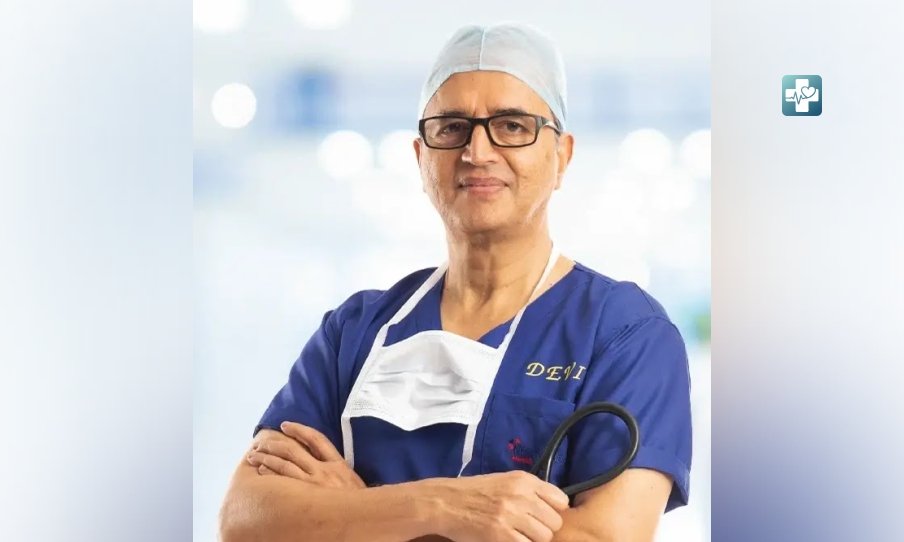
A heart doctor from India, Dr. Devi Shetty, runs Narayana Health – a group of hospitals getting attention in 2026 for offering top medical care without high costs. Though he began by doing transplant operations, his path shifted toward building systems that cut waste but keep quality sharp. Because of tight oversight across many specialties, treatments like surgery cost far less than elsewhere, yet results match leading centers worldwide. His network has grown into one of India’s largest, made up of more than fifty facilities and thousands of beds spread nationwide. Care areas include hearts, cancer, brain health, and childbirth, touching countless lives each year through consistent, scaled delivery.
One thing stands out at Shetty’s hospital – it runs like a well-tuned machine, built for volume, using repeatable methods, cutting costs on major heart surgeries by up to 90 percent compared to U.S. prices. What keeps it going lies in how services link together: remote consultations feed into central hubs, smaller clinics support big ones, plus income from those who pay full price flows toward treating others free or nearly free. By next year, another shift begins – deeper ties between local health posts and online systems will guide more patients earlier into top-level care, avoiding delays, spotting problems before they grow worse.
Out there past India’s borders, officials knock on Shetty’s door when they need plans for health networks that won’t break the bank. His ideas show up now and then inside well-known university courses teaching future managers. Big names, along with people crossing continents just to get care, land at Narayana’s main centers in Bengaluru or Kolkata – drawn not by flash but steady results backed by fair costs and global checks. With prices climbing everywhere, hospitals scrambling for answers look his way. One man reshaped treatment delivery so deeply it echoes far beyond clinic walls.