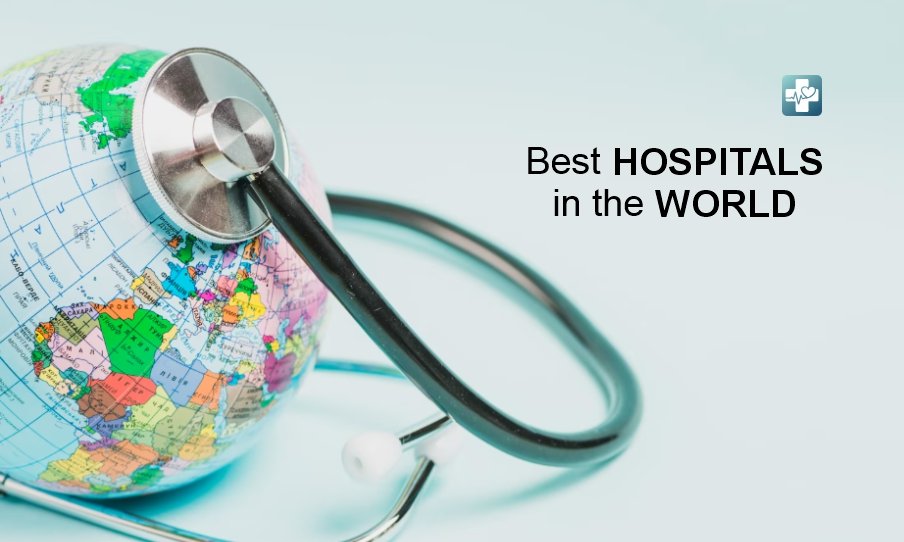
Nowhere else do you see healing shaped so deeply by science than inside hospital walls – places built not just to fix bodies but to push medicine forward. Some stand out across continents, quietly setting new bars in how illness gets met with knowledge and courage. Innovation finds them early; breakthroughs tend to start where daily work honors both data and human need equally. Top rankings follow those that blend expert teams with tools years ahead of their time – all aimed at one clear goal: better survival, smarter recovery, real support.
Nowhere is progress clearer than in hospitals drawing international visitors. As care grows more focused, people skip nearby clinics to chase top-tier results abroad. Spotting why certain centers stand out lets everyone – patients, scientists, officials – see shifts shaping medicine worldwide. What sets them apart isn’t luck – it’s design, precision, constant adjustment.
Best Hospitals in the World What Makes Them Stand Out
What makes top hospitals different? Not one thing alone. Their strength comes through skilled teams backed with cutting edge tools, along with relentless work in labs and studies. Progress shows up when care shifts – better results follow once fresh techniques take root inside these centers.
Behind every strong hospital, skilled experts work together – mixing knowledge from different fields. When care comes from varied specialties, diagnosis sharpens while healing paths grow wider. Safety never slips; strict rules guide each step, lowering danger in quiet ways.
Research is another defining element. Leading hospitals are often affiliated with major universities and medical research centers. Their involvement in clinical trials and groundbreaking medical studies allows them to provide patients with access to the latest therapies and treatment options before they become widely available.
Innovation and Technology in Global Healthcare Leaders
Technology plays a crucial role in maintaining the reputation of the best hospitals in the world. From robotic-assisted surgeries to artificial intelligence-driven diagnostics, modern hospitals are transforming the way healthcare is delivered. These technologies allow doctors to perform procedures with greater precision while reducing recovery times for patients.
Digital healthcare systems have also improved patient care by enabling better data management and real-time monitoring. Electronic health records, advanced imaging tools, and telemedicine platforms help medical professionals make faster and more accurate decisions. In critical care environments, predictive analytics can even anticipate potential complications before they become life-threatening.
Another important aspect of innovation is personalized medicine. By using genetic testing and advanced diagnostic tools, leading hospitals can tailor treatments specifically to individual patients. This approach increases the effectiveness of therapies and reduces the risk of adverse reactions, ultimately improving overall healthcare outcomes.
The Role of Research and Education
Academic collaboration is a major reason why many institutions consistently rank among the best hospitals in the world. Hospitals that work closely with universities and medical schools contribute significantly to scientific discovery and the development of new treatments.
These institutions serve as training grounds for the next generation of doctors, surgeons, and healthcare professionals. Medical students and residents gain hands-on experience under the guidance of leading experts, ensuring that knowledge and expertise continue to grow within the healthcare community.
Research-driven hospitals are also at the forefront of global health initiatives. Their studies help identify new treatment protocols, develop vaccines, and improve surgical techniques. Over time, these contributions benefit not only their own patients but also healthcare systems around the world.
In addition, these hospitals frequently publish their findings in international medical journals and collaborate with institutions across different countries. This global exchange of knowledge helps raise the overall standard of healthcare worldwide.
Why Patients Seek Treatment Abroad
Medical tourism has become increasingly popular as patients search for specialized care and advanced treatments. Many individuals travel internationally to receive treatment at the best hospitals in the world because these institutions often provide expertise that may not be available in their home countries.
Another reason for this trend is access to advanced medical technology and specialized procedures. Some hospitals offer pioneering treatments for complex diseases such as cancer, neurological disorders, and rare genetic conditions. For patients facing critical health challenges, the opportunity to receive treatment from leading experts can make a significant difference in recovery outcomes.
International hospitals also prioritize patient experience. Many have dedicated international patient departments that assist with travel arrangements, accommodation, and language support. This ensures that patients from different countries feel comfortable and supported throughout their medical journey.
While traveling for healthcare requires careful planning, it reflects a growing trust in global medical institutions that consistently deliver exceptional results.
The Future of Global Healthcare Excellence
The healthcare landscape is constantly evolving as new technologies, research breakthroughs, and patient expectations shape the future of medicine. The best hospitals in the world will continue to lead this transformation by embracing innovation and strengthening their commitment to patient-centered care.
Artificial intelligence, precision medicine, and digital health platforms are expected to play an even greater role in the coming years. These advancements will allow hospitals to diagnose diseases earlier, develop more effective treatments, and improve long-term patient outcomes.
At the same time, collaboration between healthcare institutions around the world will become increasingly important. By sharing research, data, and medical expertise, hospitals can address global health challenges more effectively and ensure that medical progress benefits people everywhere.
Ultimately, the institutions recognized as the best hospitals in the world are not just places where treatment happens. They are centers of innovation, research, and hope, shaping the future of healthcare while providing life-saving care to millions of patients each year.