Everywhere you look, health care is shifting in big ways. Patients want more now than they did before, so clinics and hospitals have to adapt fast. Technology moves quickly – this changes what people expect during visits. When new tools arrive, old methods start feeling outdated. Because of higher needs, providers find themselves searching for smarter approaches. Doing things the way they’ve always been done falls short these days. Better results often come when teams change routines behind the scenes. Saving time matters just as much as helping someone feel better. Long-term success depends on how smoothly everything runs day to day. Smart adjustments today help avoid bigger problems tomorrow.
Now hospitals do things differently than before. Digital tools help them work smarter, not harder. One big change comes from using fresh approaches behind the scenes. These shifts link directly to better results for patients. Smarter planning means less waiting, fewer errors. New methods breathe life into old systems. Efficiency grows when technology fits smoothly. Care feels more personal now. Decisions take shape faster because information flows easier. A quieter revolution runs through daily operations. Patients notice the difference without knowing why.
The Shifting World of Healthcare Management
Running hospitals now takes way more work than just ten years back. As patient numbers climb, rules tighten, plus new tools keep arriving, those in charge face constant pressure. Juggling doctor schedules happens alongside budget tracking, team oversight lands together with staying current on shifting laws.
Fresh approaches in handling medical services help tackle tough problems today. When clinics embrace current methods along with smart technology, they run smoother without lowering care quality. Digital files replace paper ones, appointment tools sort visits automatically, and shared information hubs link departments across hospitals. These changes show how deeply tech reshapes office routines inside health centers.
Such advancements allow managers to make more informed decisions based on real-time data. This not only improves operational efficiency but also helps in identifying trends, predicting patient needs, and allocating resources more effectively.
Technology as a Catalyst for Management Innovation
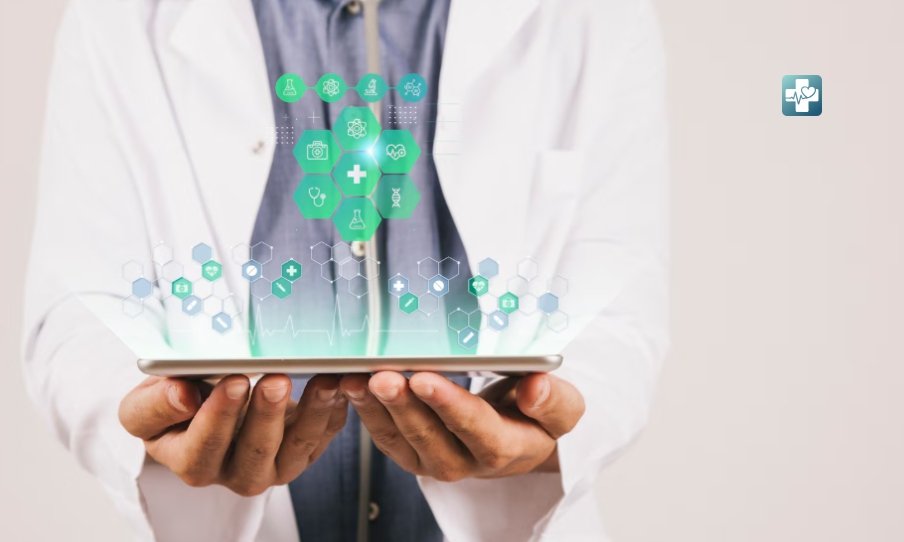
Technology has become a powerful driver behind the transformation of healthcare management. From artificial intelligence to cloud-based platforms, modern tools are enabling administrators to streamline workflows and improve communication across departments.
Innovation in healthcare management is particularly visible in the way healthcare organizations use data analytics to enhance decision-making. Predictive analytics can help hospitals forecast patient admissions, manage inventory, and plan staffing requirements. This ensures that healthcare facilities are better prepared to handle fluctuations in demand while maintaining quality care.
Telemedicine platforms have also reshaped management practices. Healthcare administrators must now coordinate virtual consultations, digital patient monitoring, and remote care services. These developments require new management frameworks that integrate technology with traditional healthcare operations.
Another important aspect is interoperability. When healthcare systems can seamlessly share data across departments and institutions, it reduces duplication of tests, speeds up diagnosis, and improves patient experience. Effective management innovation ensures that these systems work cohesively while maintaining strict data security standards.
Improving Patient Experience Through Smarter Management
Patient experience has become a central focus for healthcare providers worldwide. Beyond clinical treatment, patients expect efficient service, clear communication, and minimal waiting times. Meeting these expectations requires healthcare organizations to rethink their management strategies.
Innovation in healthcare management helps institutions redesign patient journeys to make healthcare services more accessible and convenient. Digital appointment systems, patient portals, and automated reminders allow individuals to engage more actively in their healthcare process.
Hospital administrators are also implementing patient-centered operational models. These models prioritize coordinated care, where doctors, nurses, and administrative staff collaborate more effectively to ensure smooth treatment processes. When management systems are well structured, patients experience fewer delays, better communication, and improved satisfaction.
Furthermore, the use of feedback systems and patient data analytics enables healthcare leaders to continuously refine their services. By analyzing patient experiences, organizations can identify bottlenecks and implement solutions that enhance overall service quality.
Leadership and Culture in Driving Healthcare Innovation
While technology plays a vital role, the success of innovation ultimately depends on leadership and organizational culture. Healthcare leaders must create an environment that encourages creativity, collaboration, and continuous improvement.
Innovation in healthcare management often begins with a mindset shift among administrators and medical professionals. Leaders who embrace change are more likely to adopt forward-thinking strategies that improve operational efficiency and patient outcomes. Encouraging staff to share ideas and participate in decision-making can lead to practical innovations that improve everyday processes.
Training and skill development are also essential components of modern healthcare leadership. As new technologies and management tools emerge, healthcare professionals must be equipped with the knowledge to use them effectively. Continuous learning programs help staff stay updated with industry trends and best practices.
Collaboration between departments is another critical factor. When clinical teams, IT professionals, and administrators work together, they can develop integrated solutions that address complex healthcare challenges. This collaborative approach strengthens organizational resilience and supports long-term growth.
The Future of Healthcare Management
The healthcare industry will continue to evolve as new technologies and patient expectations shape the way services are delivered. Organizations that prioritize innovation will be better positioned to adapt to these changes and provide high-quality care in an increasingly competitive environment.
Innovation in healthcare management will likely focus on greater automation, advanced analytics, and personalized healthcare services. Smart hospitals equipped with connected devices and real-time monitoring systems may soon become the standard. These developments will allow administrators to manage resources more efficiently while ensuring better patient safety and outcomes.
At the same time, healthcare systems must balance technological progress with ethical considerations, data privacy, and equitable access to care. Effective management strategies will be essential in ensuring that innovations benefit both patients and healthcare professionals.
Ultimately, innovation in healthcare management is not just about adopting new technologies. It is about reimagining how healthcare systems operate, collaborate, and deliver value to patients. By combining strategic leadership, digital transformation, and patient-focused thinking, healthcare organizations can build a more efficient and resilient future.