Kimchi Microplastics: Exploring Food Safety, Environmental Exposure, and the Future of Healthier Fermentation Practices
A Traditional Food in a Changing Environment
For years, kimchi has been recognized as a symbol of the great culinary tradition of South Korea. Due to its unique flavor and nutritional value, this traditional food has acquired international fame through its vegetable, spice, and fermentation-based composition.
With the rising popularity of fermented products among consumers concerned about health, it is becoming more and more important to understand the impact that environmental factors can have on their quality and safety.
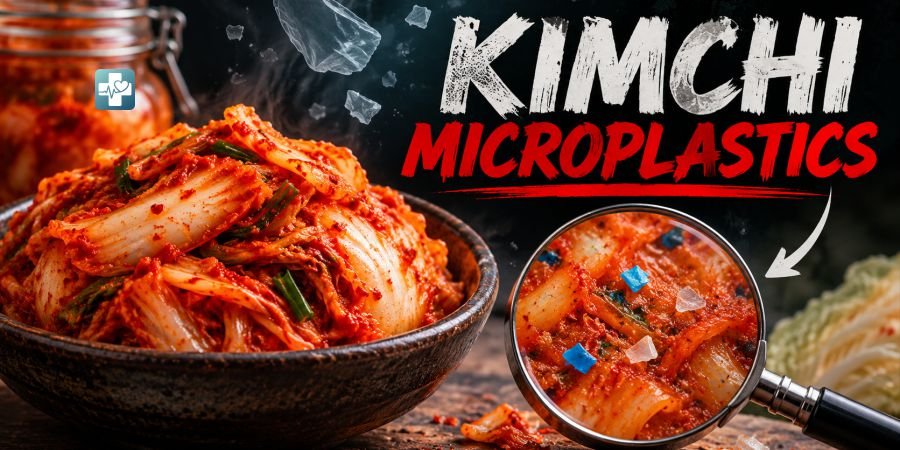
One of the issues related to fermented foods that arise is that of Kimchi Microplastics, which links traditional food production with the contemporary problem of pollution by plastics. It should be noted that although kimchi itself has nothing to do with plastic pollution, some factors can contribute to it through the preparation of the dish.
It is necessary to understand the mechanisms of such processes.
Understanding Microplastics in the Food Chain
Microplastics refer to very small particles of plastics less than five millimeters in size. These microplastics are derived from different sources such as degradation of large plastic items, artificial items, manufacturing processes, and environmental pollution.
The discovery of these particles in marine ecosystems, agricultural soils, and water systems raises significant concerns regarding the source of their entry into the human food chain.
Discussion of Kimchi Microplastics starts with the ingredients used in the process of fermentation. Napa cabbage, radishes, garlic, ginger, and chili peppers are grown in environments where these particles could be found in the irrigation water, agricultural films, or soil.
Furthermore, the use of salt and other seasonings could be another route of contamination depending on their origin and processing. It is important to note that the existence of microplastics in the food system does not necessarily mean that all kimchi products will have these particles. Laboratory tests are needed for confirmation.
How Fermentation and Packaging Influence Food Safety
Fermentation is a biological process where useful microbes convert sugars into organic acids.
In the case of kimchi, the taste and texture of the dish are due to lactic acid bacteria.
The connection between the issue of Kimchi Microplastics and the fermentation process needs thorough consideration since the fermentation process involves prolonged contact between the food product, liquids, salt, and storage containers.
Plastic storage containers are widely used because of their light weight, low cost, and convenience. Nonetheless, improper handling, damage to the surface of plastics, wrong ways of cleaning the containers, and high temperatures could contribute to the appearance of microplastics in some plastics.
One should remember that fermentation doesn’t produce microplastics on its own. Rather, it is the contamination that is caused by the use of ingredients, equipment, packaging, and surroundings.
Plastic storage containers designed for this particular purpose are still relevant. At the same time, manufacturers need to consider the durability of plastic materials, suitability for food contact, and processing conditions.
The Role of Agricultural Practices
There are many innovations used in modern farming for the sake of efficiency, protection of plants and resource conservation. Plastic mulching films, irrigation systems, protective covers and synthetic wrapping have become a routine element of food production.
Nevertheless, wear and tear or inappropriate discarding of such material can lead to the presence of microplastics in agricultural areas.
Analyzing Kimchi Microplastics from the perspective of agriculture will help us understand the significance of contamination prevention before vegetables are brought to processing plants.
The quality of soil, irrigation methods, harvesting tools and transportation can affect the purity of agricultural products. Vegetable washing and sorting is an integral part of food preparation process, however, it may not be fully effective against microplastics contamination.
Such practices as maintenance of irrigation systems, appropriate waste management of agricultural plastics, and limiting contact of harvested produce with worn plastic materials can help to prevent contamination.
Potential Implications for Human Health
Research on the health impact of exposure to microplastics is ongoing in scientific circles. Scientists are studying the influence that size, composition, concentration, and exposure period can have on biological reactions.
In this regard, the question arises as to whether the introduction of particles to fermented products may affect dietary exposure to them.
Experimental research into microplastics has been conducted on possible effects related to inflammation, oxidative stress, and cell response. Nevertheless, results obtained in laboratory tests or animal studies cannot be regarded as proof of similar health impacts when people consume regular food.
There are no sufficient data on health risks posed by microplastics in kimchi or any unique health hazard for consumers of this product due to the presence of microplastics.
Kimchi still provides various nutrients and fermentation substances which give it value in people’s diet. The problem of environmental contamination should be a reason for responsible research rather than unjustified fear of a traditional product.
Consumer Awareness and Safer Storage Practices
People are becoming more interested in knowing not only what ingredients are in the food that they eat but also how the food has been processed, packed, and preserved.
Increased awareness of the issues of Kimchi Microplastics will make people take certain actions that will help avoid any unnecessary contacts with damaged or inappropriate plastic products.
Glass bottles and stainless steel containers can be used as an alternative option to store the fermented products. Glass containers will be especially helpful in such cases, as they do not absorb anything from the product and are non-porous, so there is no chance of plastic particles shedding into the food. However, fermentation produces gases, and that is why airtight glass containers should not be used without the proper management of the pressure inside the bottle.
Moreover, people can check plastic containers for scratches and wear and tear and replace them if needed. They can follow instructions of the manufacturers regarding temperature, proper cleaning, and use of appropriate types of food.
The Responsibility of Food Manufacturers
People are becoming more interested in knowing not only what ingredients are in the food that they eat but also how the food has been processed, packed, and preserved.
Increased awareness of the issues of Kimchi Microplastics will make people take certain actions that will help avoid any unnecessary contacts with damaged or inappropriate plastic products.
Glass bottles and stainless steel containers can be used as an alternative option to store the fermented products. Glass containers will be especially helpful in such cases, as they do not absorb anything from the product and are non-porous, so there is no chance of plastic particles shedding into the food. However, fermentation produces gases, and that is why airtight glass containers should not be used without the proper management of the pressure inside the bottle.
Moreover, people can check plastic containers for scratches and wear and tear and replace them if needed. They can follow instructions of the manufacturers regarding temperature, proper cleaning, and use of appropriate types of food.
Preserving Tradition Through Sustainable Innovation
The future of fermented foods will be influenced by whether producers succeed in their attempts to achieve a delicate balance between authenticity, commercialization, and sustainability. The example of Kimchi proves that culinary traditions can remain pertinent to many generations to come since its production includes familiar components and processes of fermentation, but it is also carried out in the contemporary food industry context.
The discourse around Kimchi Microplastics proves that food innovations should cover more aspects than just flavoring and production. The research of contaminated agriculture, eco-friendly packaging, and detection methods might be helpful to find practical means to reduce excessive contact with plastics.
The sustainable packaging projects and eco-friendly agriculture can be useful not only for Kimchi but also for other fermented products like pickles, sauces, and other preserved foods. The issues of environmental safety and traditional food production can be approached by manufacturers not as contradicting aspects, but rather as complementary.
Conclusion: Building Confidence in the Future of Fermented Foods
It is crucial to emphasize that kimchi is one of the most vivid symbols of culinary tradition, nutritional variety, and fermentation. Its increasing popularity internationally is the opportunity for food safety improvement and increasing awareness of the environmental issues.
It is essential to approach the problem of Kimchi Microplastics scientifically, with transparency of production and consumer consciousness.
Through researching possible ways of exposure, using proper materials, and encouraging responsible production, the food industry could make steps towards avoiding contamination.
Finally, in order to protect traditional foods, it is not enough just to preserve their recipes. It is crucial to protect their ingredients, environment, and production as well.