Beyond the Bottle: Discovering the Healing Power of a Natural Antacid 
Midway through a quiet evening, that sharp warmth climbs up behind your ribs without warning. Just when it shows up, grabbing something from the drugstore feels like the quickest path – yet filling your cabinet with lab-made tablets may bring its own set of problems later on. Rather than walking down aisle three, some folks now pause and consider calmer options grown from earth, not factories. A reliable remedy drawn from nature might quietly reshape the way digestion feels day to day. Most of these mild remedies move through your system without causing trouble elsewhere. Picture common kitchen staples stepping in to calm stomach discomfort quietly. Each one does its job while leaving your general wellness untouched. See how vinegar, baking soda, or even bananas shift acidity levels gently. Their effects come on slowly, yet stay around when needed. Comfort shows up not with force, but by balance returning piece by piece.
The Science Behind Acid Reflux and How Herbs May Help
Looking closely at how your stomach acts during discomfort explains the value of a natural remedy. Inside, strong acids form to digest meals and block bad microbes – part of normal function. Yet trouble begins if the valve near the stomach loosens too soon or fails under pressure. Then, sharp fluids rise, touching tender areas in the throat passage. Rather than shutting acid off like manufactured versions do – or battling it head-on – a gentle option fits how you’re built. It eases the heat slowly while wrapping sore spots softly, leaving digestion running as intended.
Some common kitchen items and old-fashioned herbs offer just this kind of protection. Take slippery elm bark – its inner layer swells when wet, much like marshmallow root does. A gooey texture forms once swallowed, coating the passage between mouth and stomach. That slime sticks to irritated tissues, calming irritation like older remedies often aimed to do. Using such plants regularly doesn’t only ease sharp pain fast – it also helps keep your gut lining strong over time.
Everyday Kitchen Remedies for Instant Comfort
You do not need to visit a specialty store to find relief, as your kitchen counters likely hold an effective natural antacid already. One of the most famous and readily available remedies is raw, unfiltered apple cider vinegar. While it sounds counterintuitive to introduce more acid into an already burning stomach, many mild cases of reflux actually stem from having too little stomach acid. When acid levels are low, digestion slows down, causing food to ferment and push upward. Drinking a teaspoon of apple cider vinegar diluted in warm water right before a meal can signal your stomach to close its upper valve tightly, functioning beautifully as a preventative natural antacid.
Another incredible, soothing remedy found in most homes is the humble banana. Bananas are naturally alkaline fruits that help elevate the pH levels in your stomach, neutralizing excess gastric juices gently. Furthermore, they contain unique compounds that stimulate the production of protective mucus in the stomach lining. Eating a ripe banana when you first notice that familiar chest tightness provides a quick, portable, and delicious natural antacid solution. Similarly, baking soda dissolved in a glass of water offers a rapid chemical buffer for occasional emergency use, though it should be used sparingly due to its high sodium content.
Dietary and Lifestyle Habits to Prevent the Burn
While finding a reliable natural antacid is incredibly helpful for managing sudden symptoms, true relief comes from adjusting the habits that trigger the fire in the first place. Chronic indigestion is frequently a reflection of how we eat rather than just what we eat. Consuming massive portions forces your stomach to stretch excessively, putting immense physical pressure on the valve that separates your stomach from your throat. By shifting toward smaller, more frequent meals, you minimize this mechanical stress and reduce the need to reach for a natural antacid later in the evening.
In addition to changing your portion sizes, paying close attention to your posture after eating can make a profound difference. Gravity is one of your greatest allies when it comes to keeping gastric juices exactly where they belong. Lying down on the couch or heading straight to bed right after a heavy dinner invites acid to slide upward into the esophagus. Experts recommend waiting at least three hours after your last bite before sleeping, and elevating the head of your bed by a few inches if you suffer from nighttime disturbances. When you pair these smart behavioral changes with a gentle natural antacid, you create a powerful, multi-layered defense system against chronic discomfort.
Embracing a Holistic Path to Long-Term Digestive Freedom
Transitioning away from conventional, mass-produced chalky tablets toward a more thoughtful lifestyle requires patience, but the rewards for your gut microbiome are immense. Synthetic acid suppressors can inadvertently impair your body’s ability to absorb vital nutrients like vitamin B12, magnesium, and calcium. By choosing a natural antacid instead, you respect your body’s inherent wisdom and support the natural acidic environment required for proper nutrient extraction. Over time, you will likely find that your dependency on immediate fixes decreases as your digestive system regains its equilibrium.
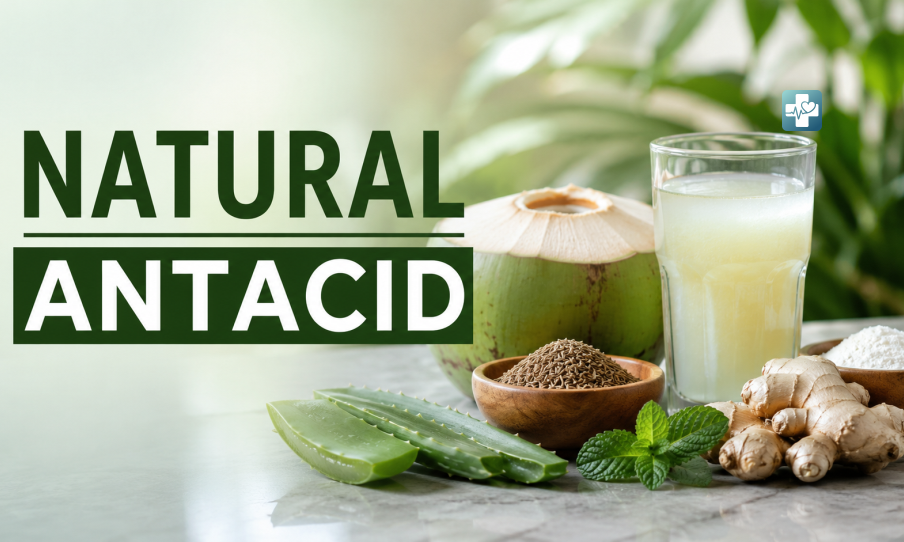
Ultimately, your journey toward soothing heartburn naturally should be personalized and intuitive. Every individual body reacts differently to various remedies, so it is wise to experiment safely with different options like aloe vera juice, ginger tea, or alkaline fruits to see which one serves as your ultimate natural antacid. Pay close attention to your unique dietary triggers, manage your daily stress levels, and keep these gentle remedies close at hand. With a holistic mindset and the right plant-based tools, you can confidently protect your digestive health and enjoy your favorite meals completely free from the fear of the burn.