Precision Medicine Initiative Transforming Modern Healthcare Through Personalized Treatment and Scientific Innovation
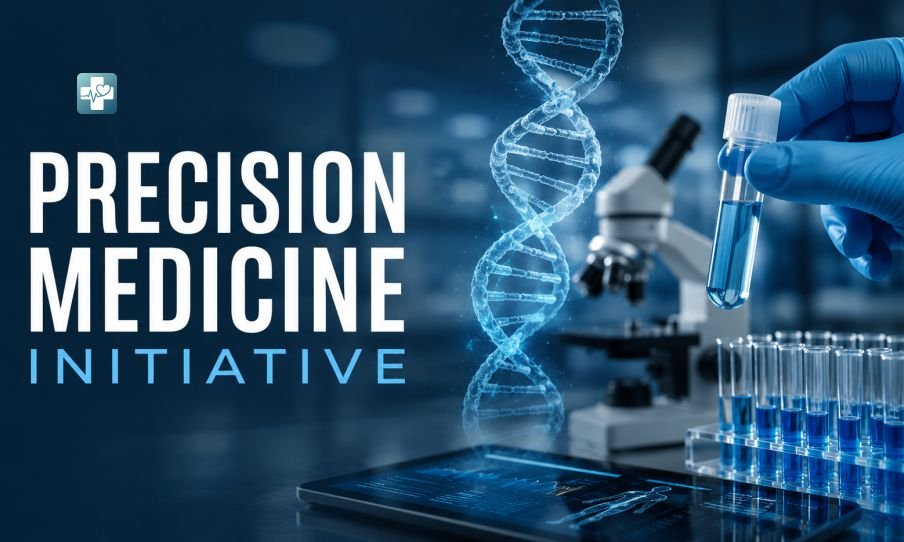
Healthcare has witnessed tremendous improvement in recent years. The main reason is that doctors are shifting from traditional treatment approaches to personalized medicine that takes an individual’s lifestyle, environment, and genes into account. Such a progressive approach is embedded in the concept of the precision medicine initiative. This new direction in healthcare lays stress on the fact that there is no single method for treating a person. Instead, healthcare professionals should consider several factors when it comes to a patient’s treatment. That way, they can achieve positive results while minimizing the occurrence of side effects.
One of the main reasons why personalized medicine is gaining so much momentum is that genomic sequencing and technologies that allow researchers to analyze health issues in a better way are being developed constantly. Scientists are engaged in investigating how certain diseases may emerge due to genetic causes. They are also working on defining particular patterns that will show how genes respond to different treatments. Thus, they will be able to offer healthcare professionals specialized individual care. This is a significant advantage of the precision medicine initiative. It empowers doctors around the globe and makes them more successful in combating diseases. A new approach to treatment and the ability to monitor patients and analyze their needs in great detail will lead to positive changes in the healthcare sector.
Technologies and Genomics Revolutionizing Patient Care
Genomic medicine’s paradigm of individual treatment is empowered by modern technology that allows for processing large amounts of data. AI and big data analytics contribute greatly to the process as they allow for studying diseases and finding new treatment options.
At the same time, personalized medicine has become increasingly practical because of affordable genetic testing. Patients can now undergo genomic analysis to determine inherited risks for certain conditions, allowing healthcare providers to recommend preventive measures long before symptoms appear. This proactive approach improves patient outcomes while lowering long-term healthcare costs.
Hospitals and research institutions are also integrating electronic health records with genomic databases. This combination allows doctors to compare patient information against large datasets, making diagnoses more accurate and treatment plans more individualized. The growing role of precision medicine initiative programs continues to strengthen collaboration among clinicians, researchers, and technology experts working toward more effective healthcare solutions.
Applications Across Major Medical Fields
The impact of the precision medicine initiative extends across numerous medical specialties. Oncology has experienced some of the most significant advancements, with targeted cancer therapies designed according to specific genetic mutations found within tumors. Rather than administering identical treatments to every patient, physicians can select therapies that are more likely to produce successful outcomes.
Beyond cancer care, personalized medicine is transforming cardiology, neurology, and rare disease management. Patients suffering from inherited heart conditions can receive treatments tailored to their genetic profiles, while neurological disorders are increasingly being studied through molecular research to identify individualized therapeutic options.
In infectious disease management, researchers use genetic information from both patients and pathogens to determine the most effective medications. The precision medicine initiative also supports faster drug development by identifying patient populations most likely to benefit from new therapies during clinical trials. This targeted approach reduces development costs and improves the efficiency of pharmaceutical research.
As healthcare providers continue adopting personalized medicine, patients benefit from improved treatment accuracy, fewer side effects, and better long-term disease management. These advances demonstrate how scientific innovation is reshaping modern healthcare across multiple disciplines.
Building the Future of Precision Healthcare
Although remarkable progress has been achieved, the precision medicine initiative continues to evolve. Expanding genetic databases, increasing diversity in research participation, and improving access to advanced diagnostic tools remain important priorities. Ensuring patient privacy and maintaining ethical standards are equally critical as more sensitive health information becomes part of digital healthcare systems.
Governments, research institutions, and private organizations are investing heavily in infrastructure that supports genomic research and personalized care. These collaborative efforts are accelerating discoveries while making advanced treatments more accessible to broader populations. As scientific knowledge continues to expand, personalized medicine will play an even greater role in preventing diseases before they develop and identifying therapies with unprecedented precision.
The continued success of the precision medicine initiative depends on ongoing research, public awareness, and technological innovation. Healthcare professionals are increasingly adopting individualized treatment strategies that prioritize patient-specific characteristics rather than generalized assumptions. By combining genetics, clinical expertise, and advanced technology, precision medicine initiative programs are setting new standards for disease prevention and treatment while establishing personalized medicine as a defining feature of the future of healthcare.