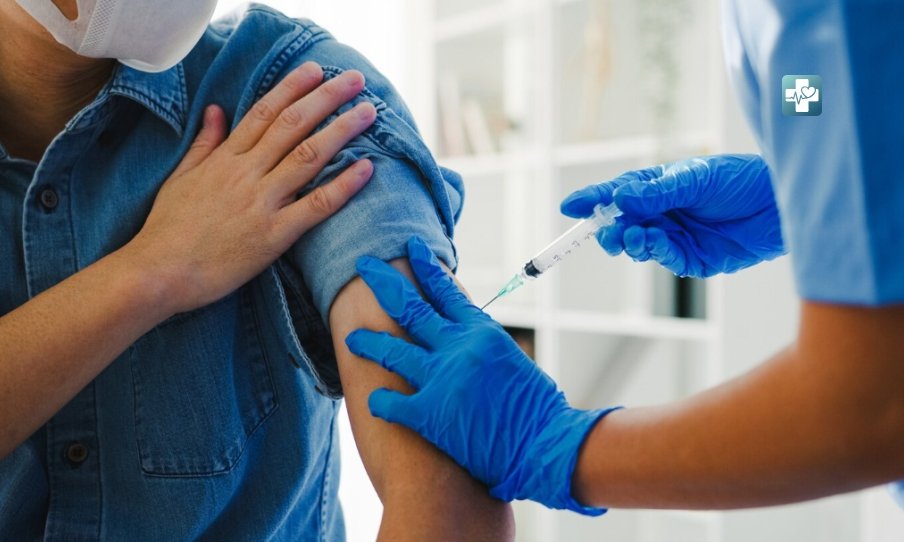
Huge progress now stops breathing sicknesses that used to endanger millions. The shot for pneumonia plays a big role by targeting Streptococcus pneumoniae, one stubborn germ behind severe illness. Not just lung trouble – it may lead to brain swelling or blood infection too, so protection matters early on. People start building awareness around how the vaccine kicks in and which groups benefit most. Healthier neighborhoods begin when knowledge spreads about who should get covered.
Navigating the Different Types of Protection
Some vaccines work better than others. By 2026, shots for breathing-related illnesses have grown more specific. Doctors now rely on two main kinds of pneumonia vaccine to cover people of various ages. One type, known as PCV, often goes to babies during regular checkups. It helps the body fight off germs by marking their outer sugar layer so the immune system can spot them faster.
Another option is the pneumococcal polysaccharide shot, built to target more types of bacteria than older models. Lately, advances brought forward PCV20 and PCV21 – versions that bundle broader defense into just one round for numerous grown-ups. Because they’re designed around current strain patterns, fewer extra doses tend to be needed down the line. Which version fits best usually comes down to how old you are, what health conditions exist, along with past vaccines received.
Identifying High Risk Groups and Eligibility
While everyone can benefit from a boost to their immune system, certain populations are at a significantly higher risk of complications from pneumococcal disease. The CDC and other health organizations emphasize the importance of the pneumonia vaccine for adults aged 50 and older, as the natural aging process can weaken the body’s ability to fight off invasive infections. Furthermore, individuals with underlying chronic conditions—such as asthma, diabetes, or heart disease—should prioritize this shot, as their systems are already under more stress.
Children under the age of five also represent a key demographic for the pneumonia vaccine because their immune systems are still developing. By following the recommended pediatric schedule, parents can protect their children from ear infections and more severe respiratory issues. Additionally, lifestyle factors like smoking or heavy alcohol consumption can damage the protective linings of the respiratory tract, making the pneumonia vaccine even more essential for those individuals to prevent bacteria from taking hold.
The Lasting Impact of Community Immunity
One of the most remarkable aspects of widespread immunization is the concept of herd immunity. When a large portion of the population receives the pneumonia vaccine, the bacteria have fewer hosts to live in, which indirectly protects those who cannot be vaccinated due to severe allergies or other medical reasons. Studies have shown that since the introduction of routine conjugate shots for children, the incidence of severe disease in older adults has also dropped significantly. This “indirect effect” highlights why getting your pneumonia vaccine is not just an act of self-care, but a contribution to the health of your neighbors and family.
Moreover, the effectiveness of the pneumonia vaccine remains impressively high, with most versions providing substantial protection for several years. While the body’s immune memory may fade slightly over time, the initial series or a timely booster can mean the difference between a mild illness and a life-threatening hospital stay. As we move through 2026, staying updated with the latest health recommendations ensures that you are utilizing the best available science to keep your lungs clear and your body strong.
Future Perspectives on Respiratory Wellness
Looking ahead, the development of even more inclusive vaccines continues to be a priority for researchers. The current pneumonia vaccine protocols are regularly reviewed to adapt to moving bacterial trends, ensuring that the strains covered are the ones most likely to cause illness. By maintaining an open dialogue with your primary care physician, you can stay informed about when a new pneumonia vaccine dose might be necessary for your specific situation.
Ultimately, prevention is far more effective—and much less taxing—than treating an active infection. Taking the time to schedule a pneumonia vaccine appointment is a small investment that pays dividends in long-term wellness. Whether you are a young adult with a chronic condition or a senior looking to maintain an active lifestyle, the pneumonia vaccine serves as a reliable shield in an ever-changing health environment. Prioritizing this simple intervention today helps ensure that you can breathe easy tomorrow.