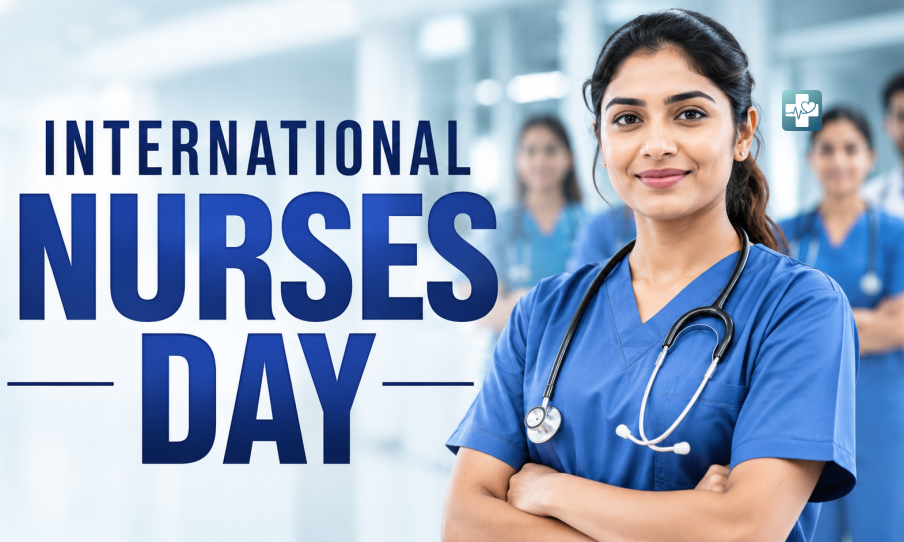
The Global Impact And Heartfelt Celebration Of International Nurses Day This Year
Healthcare hums with new ideas, yet rests on people tending patients every single day. Each May tenth, nations slow down – just briefly – to honor nurses, those quiet forces shaping neighborhoods. More than a celebration marked in red ink, this moment reflects deep respect: long hours, skill sharpened over time, strength found when emotions run thin. Whether inside hushed country rooms or under harsh city lights where emergencies race past doors, their presence turns treatment into healing. It is not just about pills passed from tray to palm – they speak up when voices fade, explain what confuses, stay close when fear creeps near.
The World Remembers What Was Given
Right at the start of May, something quiet happens – it lines up each year with when Florence Nightingale was born. Back then, nursing looked nothing like now, though how we treat wounds, respect patients, and organize care still holds true today. Marking International Nurses Day means looking back at those who turned bedside presence into precise science over time. Modern nurses train for years, handle complex machines, know vast details, but even so, their warmth matches that old image of carrying a lamp through dark halls. Even if hospitals hum with new gadgets, one thing stays fixed: people will always need someone steady, kind, and trained beside them when ill.
Navigating Modern Challenges in the Healthcare Sector
These days, nurses carry heavier loads than ever before. On International Nurses Day, attention turns to the deep-rooted strains shaping their work lives. Older populations grow larger; long-term health conditions spread – patient care grows tougher because of it. Because of this, sharp judgment matters more, though few truly notice its worth. Too few staff members show up for shifts, energy drains fast – health services everywhere start to wobble under pressure. Appreciating these employees goes beyond clapping hands. Real progress means tackling tough workplace changes head on. Fair pay needs to be standard, not optional. Mental wellness resources must follow through when the spotlight fades. When attention turns to these gaps, momentum can shift toward lasting results instead of passing words. Change sticks best when effort outlasts the moment.
Leadership and Innovation Within the Nursing Profession
One of the most inspiring aspects of the modern nursing movement is the shift toward leadership and policy influence. On International Nurses Day, we see evidence of practitioners stepping into roles as researchers, hospital administrators, and government advisors. They are no longer just followers of clinical orders; they are the architects of health equity. Through nursing-led clinics and community outreach programs, they are bridging the gap for underserved populations who might otherwise fall through the cracks of the medical system. Their unique perspective—honed by constant, direct contact with patients—allows them to identify inefficiencies and propose human-centric solutions that physicians or tech developers might overlook. This evolution into strategic leadership is a testament to the growth of the profession and its vital importance in shaping the future of global health policy.
Education and the Next Generation of Caregivers
To ensure the longevity of high-quality care, there must be a robust investment in nursing education and mentorship. The festivities surrounding International Nurses Day often serve as a recruitment tool, inspiring young students to enter a field that offers both a stable career path and a profound sense of purpose. However, the path to becoming a registered professional is rigorous and requires significant financial and intellectual investment. Supporting nursing schools and providing scholarships is essential for building a diverse workforce that reflects the communities it serves. When a student sees the global respect directed toward their future peers on this day, it reinforces the value of their chosen path. We must cultivate an environment where clinical expertise is paired with the emotional intelligence necessary to handle the triumphs and tragedies of the hospital ward.
Strengthening the Foundation of Community Health
The influence of a skilled nurse ripples out far beyond the walls of a single hospital room. During the events of International Nurses Day, we often hear stories of how a single intervention or a moment of patient education prevented a readmission or saved a life. This preventative aspect of the job is what makes the profession the backbone of public health. By teaching a diabetic patient how to manage their insulin or helping a new mother navigate the challenges of postnatal care, these professionals are reducing the overall burden on our medical infrastructure. They are the frontline defenders against disease outbreaks and the primary educators in the fight against health misinformation. Their presence in a community acts as a safety net, ensuring that health literacy is accessible to everyone, regardless of their socioeconomic status or background.
Looking Toward a Sustainable Future for Care
As we move forward, the conversation around International Nurses Day must evolve into a year-round dialogue about sustainability and respect. The global community has witnessed the bravery of these individuals during times of crisis, and that memory should serve as the catalyst for long-term support. We are entering an age where digital health and artificial intelligence will change how care is delivered, but the “human touch” provided by a nurse will never be replaceable by an algorithm. Ensuring that the workforce is equipped with the latest technological skills while being protected from administrative overreach is the great challenge of our time. By fostering a culture that truly prizes the nursing contribution, we create a healthier world for everyone.
Final Thoughts on a Vital Vocation
The legacy of this global celebration lies in our ability to see the person behind the scrubs. Every International Nurses Day provides a window into the reality of a profession that is as much about heart as it is about science. We owe it to these professionals to listen to their voices when they advocate for their patients and themselves. The strength of our healthcare system is directly proportional to the well-being of its nursing staff. As we acknowledge their tireless efforts, let us remember that their work is the quiet engine of humanity’s progress. Supporting them is not just a gesture of gratitude; it is an essential investment in our collective future and the most basic requirement for a compassionate society.
Read Also : How to Achieve Maximum Results Using Your Favorite Hair Growth Edge Control