Strengthening Healthcare Access for All Through the Vital Telehealth Equity Coalition Efforts
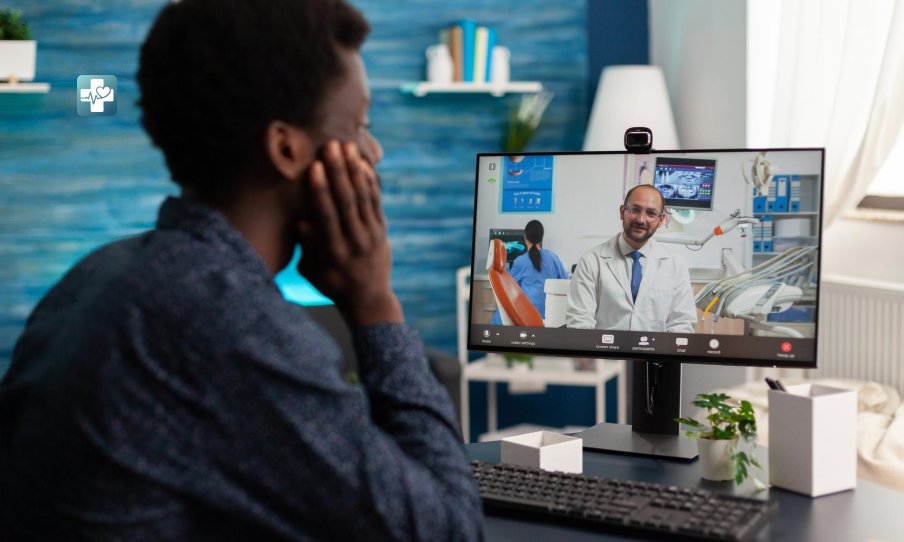
Right now, getting health care online feels smooth for some – but many still struggle just to log in. Even though video visits are common today, not everyone can join them easily. What if better tech meant fairer access too? That idea drives the telehealth equity coalition forward. Instead of pushing innovation first, they fix what blocks people: slow internet, confusion about tools, uneven payment rules. Because progress should include everybody, especially those often forgotten when systems change fast.
Fixing Internet Access Gaps in Today’s Health Care
What holds back today’s healthcare isn’t just money or staff – unequal access to online tools plays a big role. In remote regions or neglected city neighborhoods, fast internet often doesn’t exist at all, or costs too much to afford. Because of these digital gaps, virtual doctor visits stay impossible for some people. A group called the telehealth equity coalition pushes hard for better networks, seeing web access as vital to well-being like food or shelter. When connections fail, video appointments fall apart, tracking long-term illnesses gets harder, and medical files stay locked away. Without steady access, people feel cut off – this worsens gaps in care. The push now is toward policy updates along with joint efforts between government and companies, aiming to make specialty visits possible no matter where someone lives.
Enhancing Digital Literacy and Culturally Competent Support
Technology is only as effective as a person’s ability to use it. Even when the hardware and connection are present, many patients struggle with the complexities of navigating patient portals or troubleshooting software issues during a high-stakes medical appointment. The telehealth equity coalition emphasizes the importance of digital literacy training tailored to elderly populations, non-native English speakers, and those with limited formal education. Equity is not just about providing a device; it is about ensuring the user feels empowered and confident during the interaction. This involves creating multilingual interfaces and providing tech-support “navigators” who can guide patients through their first few virtual visits. Furthermore, cultural competency must be integrated into the digital experience to ensure that remote care feels personal, respectful, and safe for communities that have historically faced systemic bias within the traditional medical establishment.
Policy Reform and the Future of Sustainable Reimbursement
For virtual care to remain a permanent fixture, the financial structures supporting it must be modernized. During the initial shifts in global health dynamics, temporary waivers allowed for broader coverage of remote services, but long-term sustainability requires permanent policy shifts. The telehealth equity coalition is at the forefront of the conversation regarding payment parity, ensuring that providers are fairly compensated for virtual visits at the same rate as in-person consultations. This is particularly crucial for community health centers and safety-net hospitals that serve low-income populations. If reimbursement rates for virtual care are too low, these vital institutions may be forced to scale back their digital offerings, further limiting options for those who need them most. Advocating for policies that include audio-only consultations is another critical area of focus, as many patients may have a phone line but lack the data bandwidth for high-definition video.
Designing Inclusive Technologies for Diverse Populations
Innovation in the medical tech space often happens in a vacuum, focusing on the latest features rather than universal usability. To achieve true balance, developers must prioritize inclusive design from the very beginning of the product lifecycle. The telehealth equity coalition encourages a shift toward “equity by design,” where tools are built to function on older smartphone models and in areas with low signal strength. This also includes accessibility features for individuals with visual, auditory, or cognitive impairments. When technology is designed with the most marginalized users in mind, the resulting products are almost always more intuitive and effective for the general population as well. By fostering a dialogue between tech developers, clinicians, and patient advocates, the movement ensures that the tools of tomorrow are built to serve the many rather than the few.
Looking Ahead to a Unified Vision of Virtual Wellness
The journey toward a fair and accessible healthcare system is ongoing, and the momentum generated by recent shifts in medical delivery provides a unique window of opportunity. It is no longer enough to simply offer remote options; those options must be refined and protected through rigorous advocacy and community engagement. The work of the telehealth equity coalition serves as a roadmap for this evolution, reminding us that the ultimate goal of any technological breakthrough should be the elevation of human dignity and the preservation of health. As we move forward, the focus must remain on dismantling the structural hurdles that prevent equitable care. Through continued collaboration, data-driven policy recommendations, and a steadfast commitment to social justice, the vision of a truly inclusive medical landscape can become a reality for every patient, regardless of their background or circumstances. Expanding the reach of the telehealth equity coalition ensures that as we innovate, we do so with a conscience, making certain that the digital heartbeat of modern medicine resonates in every household.