Finding Balance: How a Posture Corrector Can Transform Your Daily Health 
Staring at screens all day bends spines out of shape. Hunching over keyboards, sinking into desk chairs, craning necks toward phones – these habits twist the body slowly. Aching backs, tight necks, crooked vertebrae creep in without warning. Spotting rounded shoulders in a mirror? That slump shows up everywhere now. Lots turn to posture braces hoping to reset how they sit and stand. Devices that gently guide alignment spark curiosity. Learning what they do, when to wear them, why they matter shifts something deep. Movement feels different once awareness grows.
The Hidden Shape of Poor Posture and Spine Adjustment
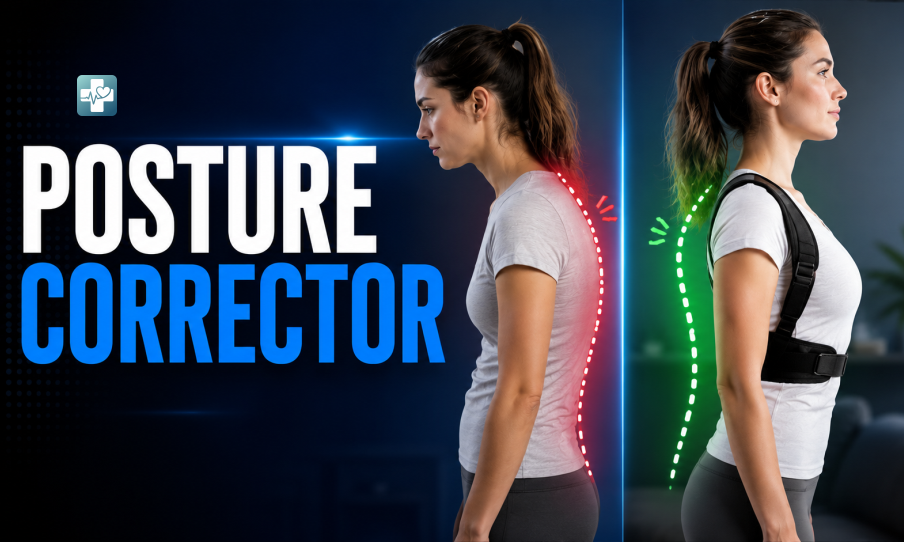
Slumping changes how your body functions, step by step. Chest muscles pull tight when shoulders roll forward. Meanwhile, those along the upper back stretch too far, growing tired and thin. The spine shifts out of shape, shifting load unevenly. Suddenly, the neck and lower back strain to balance the skull. Days pass, habits form – this crooked stance begins feeling normal. Standing tall? That now feels odd, almost foreign.
Here’s when a posture corrector makes a difference – interrupting the pattern of misaligned spine. Not like a stiff support doing everything, but more like a quiet cue from your clothing. Shoulders dip forward? The bands respond just enough to guide them rearward, lifting the front of your torso gently. That tug from hours at a screen gets balanced out, offering tired muscles space to ease and your backbone room to find its true center again.
How to Integrate Support Into Your Daily Routine
A common mistake people make when they first receive their posture corrector is wearing it all day long. It can be tempting to think that more hours spent in the device will lead to faster results, but this approach can actually backfire. If you rely on a posture corrector for eight hours a day, your muscles will become lazy and depend entirely on the fabric and straps for support, which ultimately weakens your core and back.
The secret to success lies in using your posture corrector as a active training tool rather than a permanent crutch. Experts generally recommend starting slow, wearing your posture corrector for just fifteen to thirty minutes during your first few days. As your body adjusts to the feeling of proper alignment, you can gradually increase this time to an hour or two per day. It is especially useful to wear your posture corrector during the specific activities where you tend to slouch the most, such as during your afternoon email sessions or while driving home from work. This targeted training helps build muscle memory, teaching your body how to maintain a healthy alignment even after you take the device off.
The Hidden Health Benefits of Standing Tall
While the most obvious reason to wear a posture corrector is to reduce nagging back and neck pain, the benefits extend far beyond simple physical comfort. When you use a posture corrector to open up your chest and pull your shoulders back, you are also creating more space for your lungs to expand. Deep, unrestricted breathing delivers more oxygen to your bloodstream, which can naturally boost your daily energy levels and sharpen your mental focus.
Furthermore, the alignment promoted by a posture corrector can have a surprisingly positive impact on your digestive system and your circulation. Slouching compresses your internal organs, which can slow down digestion and lead to discomfort after meals. By standing tall, you give your body the space it needs to function optimally. There is also a powerful psychological benefit to consider, as standing with an open, upright frame has been scientifically proven to lower cortisol levels and increase feelings of confidence and self-assurance throughout the day.
Creating Long Term Habits for Lasting Spinal Health
Ultimately, a posture corrector is an incredible catalyst for change, but it works best when combined with a holistic approach to physical wellness. Think of your posture corrector as a training partner that shows you what right feels like, while you do the foundational work to maintain that standard. To get the most out of your journey, try pairing your brace sessions with simple chest-opening stretches and basic upper back strengthening exercises, like rows or chin tucks.
It is also incredibly helpful to take a look at your environment and make small ergonomic adjustments to your workspace. Ensure your computer screen is at eye level so you do not have to tilt your head down, and keep your feet flat on the floor while sitting. By combining the physical guidance of a posture corrector with mindful daily movement and an ergonomic environment, you will build a strong, resilient body. Over time, you will find yourself standing taller, breathing deeper, and living with significantly less pain, proving that a small investment in your alignment can yield massive dividends for your long-term health.