Understanding the Clear Warning Signs of an Intestinal Parasite Infection 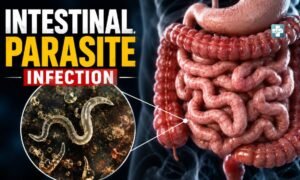
Keeping the digestive tract healthy is vital, but there are environmental factors that can invade your system and lead to an intestinal parasite infection. These unwelcome visitors find their way into your body and multiply inside the warm confines of the intestines. There are also a number of telltale signs that you may be infected that should be noted. Understanding the symptoms is the first step to understanding how to get rid of an intestinal parasite infection.
Intestinal Parasite Infection: First Signs Are Often Hard to Notice
The moment you suspect something might be wrong, the first thing to do is to recognize the symptoms of an intestinal parasite infection. The most important thing to note is that the first symptoms are much like any other stomach issue. You may find yourself constantly needing to visit the restroom in order to evacuate your bowels. It can happen as either uncontrollable diarrhea or severe constipation. This is the result of the unwelcome parasites irritating the intestines and causing abnormal digestion. You may also find yourself suffering from gas, bloating, and abdominal pain. When it comes to identifying signs that you might suffer from an intestinal parasite infection, it is also wise to pay attention to the length of the infection. This is because similar symptoms can be caused by food intolerances that tend to resolve on their own after some time has passed.
Common Ways of Getting an Intestinal Parasite Infection
It is important to understand the ways in which an intestinal parasite infection can occur so that they can be avoided in the future. The most common cause of an intestinal parasite infection is the consumption of food or water that has been contaminated with the eggs of the parasite. This can be prevented by eating in places that you know have proper sanitation. Contaminated water is also a source of infection, which means that you should be certain that any water you drink has been treated. From a stream in the wilderness to a public pool, any water that has not been treated can contain the eggs of a parasite. Simply drinking the water is enough to allow an intestinal parasite infection to develop. Another source of infection can come from eating raw food, such as vegetables, that have been watered with contaminated water or eating undercooked meat.
Another highly prevalent transmission route involves everyday contact with infected soil or contaminated surfaces. Certain parasitic larvae thrive in warm, damp dirt and can actually penetrate the bare skin of your feet if you walk outdoors without shoes. Furthermore, a household intestinal parasite infection can spread rapidly through poor hand hygiene. If a family member touches a contaminated object—like a doorknob, bedding, or pet fur—and then touches their mouth before washing their hands, the lifecycle continues. This ease of transmission highlights why consistent cleanliness remains a vital shield for your family.
Recognizing the Hidden Systemic Impacts on Your Body
As these organisms multiply, their negative effects extend far beyond localized stomach discomfort. A prolonged, untreated intestinal parasite infection often causes chronic fatigue and a noticeable lack of physical energy. This systemic exhaustion happens because the parasites actively compete with your body for vital nutrients, absorbing the proteins, vitamins, and minerals from the food you eat. Over time, this constant nutrient theft can lead to unexplained weight loss and severe nutritional deficiencies, even if your caloric intake remains completely normal.
In addition to causing fatigue, specific organisms can feed on your red blood cells or cause hidden blood loss in your stool. This continuous loss can eventually culminate in iron-deficiency anemia, leaving you feeling profoundly weak, dizzy, and physically depleted. An advanced intestinal parasite infection can also trigger unexpected immune system reactions. When your body tries to fight off the internal invaders, it releases inflammatory chemicals that can cause mysterious skin rashes, hives, or intense localized itching. These varied bodily reactions demonstrate that a compromised gut can easily disrupt your entire physical well-being.
Effective Medical Protocols and Practical Prevention Strategies
If you suspect your gut health is compromised, obtaining an accurate medical assessment is your best path forward. A doctor can easily diagnose an intestinal parasite infection by evaluating your symptoms and analyzing specific stool samples under a microscope to check for eggs or cysts. Once the exact organism is identified, targeted prescription medications can eradicate the problem. Doctors typically prescribe highly effective antiparasitic drugs that clear out the invaders in just a few days, safely restoring your digestive system to its optimal state.
Preventing a future intestinal parasite infection requires consistent personal hygiene and smart food safety habits. You should always wash your hands thoroughly with soap and warm water for at least twenty seconds before eating, after using the restroom, and after cleaning up after pets. When cooking at home, ensure all meats reach safe internal temperatures and wash all raw fruits and vegetables under clean, running water. By remaining proactive and practicing these simple preventive habits, you can keep your digestive system resilient, vibrant, and completely free from unwanted biological disruptions.