Understanding Drug Resistance and the Need for Smarter Treatment Strategies
With time, as modern medicine has advanced, there are some factors in the health care industry which have helped make it easy to deal with infections, diseases, and procedures in a safe manner. One of the major problems that have emerged regarding the effectiveness of medicine has been that medicines have become ineffective because they are not able to control or inhibit the disease process.
How Resistance Develops
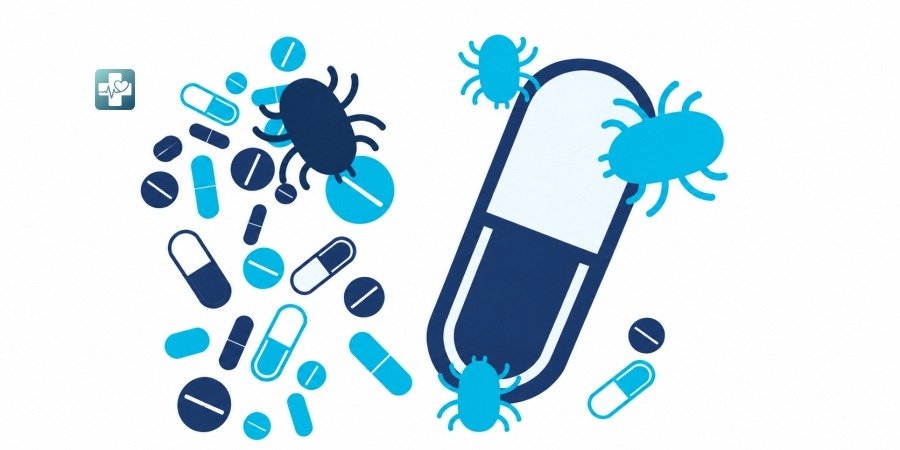
Drugs target particular biological processes, and some drugs, like antibiotics in bacteria, affect their wall structure, protein production, or other biological mechanisms which are necessary for survival. It is true that some microorganisms have natural properties which enable them to be resistant to some types of medications, but others develop such genetic mutations which help them to survive the impact of medications which controlled them previously.
Drug resistance is promoted when the treatment of microorganisms creates favorable conditions for their resistant varieties. This can occur due to improper use of antibiotics, over-prescription, improper dosing, and lack of compliance with professional recommendations. Then the resistant microorganism will grow in numbers and disseminate in people, populations, institutions, and environment.
While antimicrobial resistance is a critical problem, drug resistance affects not only antibiotics but also medications against other diseases, such as cancer. It is important to learn the mechanism of particular disease in order to find its prevention and treatment strategies.
Why the Challenge Matters
The consequences of drug resistance extend beyond the failure of an individual medicine. Patients may require alternative treatments that are less accessible, more expensive, or associated with greater side effects. Infections that once responded readily to standard therapies may demand longer treatment periods, additional diagnostic tests, or hospitalization.
Healthcare providers must also consider the wider implications. Resistant infections can complicate surgical procedures, cancer treatment, organ transplantation, and care for people with weakened immune systems. When routine preventive measures become less reliable, healthcare systems face additional pressure to protect vulnerable patients and maintain effective services.
The economic impact can be equally significant. Longer illnesses may lead to missed work, increased household expenses, and greater demands on hospitals. In regions where access to advanced diagnostics and specialized medicines remains limited, these challenges can deepen existing healthcare inequalities.
The Role of Responsible Medication Use
Proper decision-making concerning drug usage is important if one wants to avoid drug resistance. Antibiotics are prescribed for bacterial infections, not for viruses like the common cold. It provides no benefits in case you use them in this case and can contribute to the development of resistant organisms.
It is necessary for patients to adhere to the instructions given by healthcare providers about the administration of prescribed drugs; it means that they should discuss any changes in dosage, discontinuation of therapy, or leftover medication with them.
It is forbidden to give your antibiotics to others or take them on your own without proper medical supervision. Also, healthcare providers have their duties, and adherence to the following instructions will help them to choose the right therapy for their patients:
Correct diagnosis, appropriate prescription, laboratory tests if needed, and correct monitoring.
Innovation and Research Offer New Possibilities
Scientific innovations continue to form the core of efforts aimed at dealing with resistance. Scientists are working on novel antimicrobial agents, alternative combinations of drugs, vaccines, diagnostic devices, and treatment options that tackle drug resistance directly.
A quick diagnostic tool will enable doctors to know what is causing the infection and what drugs could work on it. It will help prevent prescribing ineffective drugs and facilitate effective treatment. Surveillance will enable public health officials to identify any new resistance and track resistance trends.
The issue of resistance is not one that drug discovery researchers alone can tackle. Novel drugs should be accompanied by adequate usage, effective distribution, preventive measures, and investment. Otherwise, the drugs will eventually be rendered ineffective by the bacteria.
Building a Stronger Public Health Response
Resistant infections might be managed by hospitals and clinics through adoption of hand washing, sterilization, environmental sanitation, immunizations, and proper infection control techniques. Health care institutions can enhance the measures by improving the capabilities of laboratory facilities and obtaining good data.
The environment cannot be ignored as well. Poor manufacture of medicines, improper treatment of water, and wrong disposal of medicine can cause emergence of antimicrobials and resistant microbes in the environment. Joint measures for humans, animals, and agriculture, and also for protecting the environment, can be effective.
Education is essential as well. When people understand why medicines should be taken wisely, they will behave appropriately. It means that schools, organizations, healthcare professionals, and policy makers need to encourage appropriate behavior.
A Shared Responsibility for the Future
When it comes to a more long-term approach to the problem, the cooperation between scientists, doctors, government officials, pharmaceutical companies and common people becomes crucial. The further research has to be conducted in order to extend the range of treatment options, while the health care system should take responsibility for providing its citizens with adequate diagnostics, preventive care and responsible prescriptions of the medications.
Each person can make their contribution in following the advice of doctors, consuming the medications as little as possible, getting vaccinated on a timely basis and leading a healthy life. Although all of these steps are quite easy, they will contribute to extending the period during which the existing medications will remain effective.
It is not only about discovering new drugs; it is also about preserving the ones that already exist.