The Enduring Legacy and Medical Philosophy of the Great Hippocrates of Kos
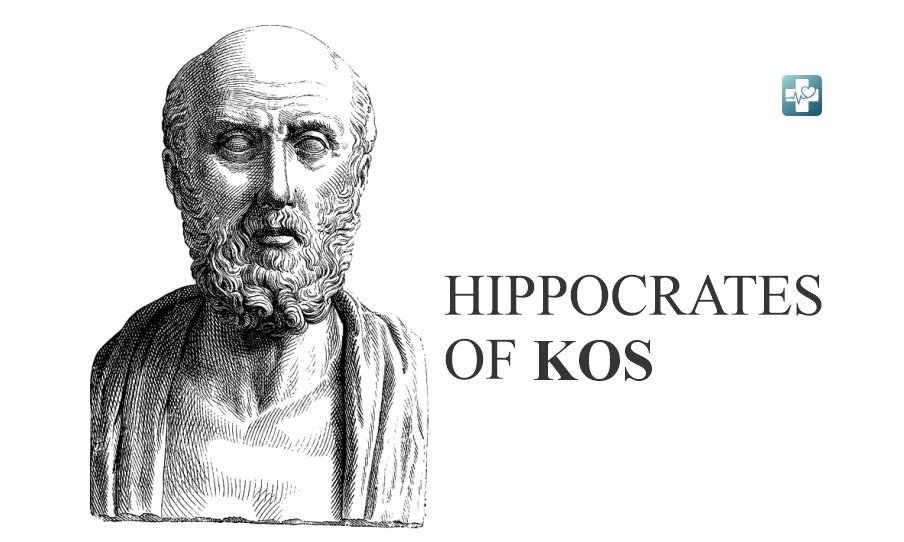
Out of nowhere, one name surfaces when tracing how Western medicine began – Hippocrates from the island of Kos. His ideas still hum beneath today’s medical routines, quiet but present. Long before him, people blamed gods or ghosts whenever someone fell ill. Yet he stepped forward around five hundred years before Christ, offering something different: watching patients closely instead of reciting prayers. Illness, he said, might come from air, food, or daily choices – not curses dropped by angry deities above. That twist in thinking cracked open a door where facts mattered more than fear. Slowly, healing drifted away from rituals and settled into patterns anyone could test, repeat, learn.
The Move to Clear Thinking and Hands On Care
Most doctors back then looked to gods for answers. Yet Hippocrates of Kos built his ideas on what he could see. Watching patients came first – nothing else mattered more. Because of careful notes, patterns started showing up. When illness hit its turning point, he called it crisis – a word that stuck. Some saw healing as magic or prayer. He saw it as something traceable, measurable. Symptoms changed over time. And those shifts told stories worth recording. Healing wasn’t granted. It unfolded. His method turned medicine into study rather than ceremony. Out there among trees and rivers, he spotted rhythms – how air shifts, rain cycles, or stream clarity tied into how people felt. Still now, seeing humans woven into their surroundings shapes much of what public health stands on.
Out of deep trust in the body’s own repair systems, he shaped his method. Vis medicatrix naturae – that phrase came from him – meaning nature heals. Instead of pushing treatments that hit hard, doctors should guide without forcing. Recovery could grow when food, movement, and stillness were set just right. He looked at the body’s four key fluids, trying to keep them in harmony. Though modern science now explains health through genes and microbes instead of humors, the idea of balance inside the body still holds strong today – equilibrium shapes how we see bodily function. Ever since those early ideas appeared, the quiet push for stability has stayed central.
Ethics and the Standard of Professional Conduct
Beyond his diagnostic methods, the influence of Hippocrates of Kos is perhaps most visible in the ethical framework he provided for the profession. The famous oath associated with his name, though likely a collaborative effort by his followers, established a code of conduct that prioritized the well-being of the patient above all else. This introduced the revolutionary idea that the relationship between a healer and a patient is sacred and governed by moral obligations. The commitment to “do no harm” became the guiding light for generations of practitioners, ensuring that medical knowledge was used for the preservation of life rather than for harm or exploitation. This was an essential development in an era where medical regulations were non-existent and anyone could claim to be a healer.
The oath also touched upon the necessity of confidentiality and the importance of maintaining a professional boundary. It demanded that physicians lead a life of integrity, both in their public practice and their private affairs. By formalizing these expectations, the school at Kos helped transform medicine from a mere trade into a respected and regulated profession. The emphasis on teaching and passing down knowledge to the next generation ensured that the art of healing would continue to evolve based on shared wisdom and collective experience. Even in the twenty-first century, when medical technology has advanced beyond anything the ancient Greeks could have imagined, the core values of compassion, integrity, and patient-centered care remain unchanged.
Contributions to Anatomical and Pathological Understanding
The body of work attributed to Hippocrates of Kos, often referred to as the Corpus, contains a wealth of knowledge on various medical conditions, ranging from common infections to complex surgical procedures. He was among the first to categorize diseases as “acute” or “chronic” and “endemic” or “epidemic.” His descriptions of certain conditions, such as digital clubbing—often called “Hippocratic fingers”—are so accurate that they are still used as diagnostic markers in modern pulmonology. He also made significant strides in understanding the importance of hygiene and the role of clean bandages in preventing the worsening of wounds. Though he lacked the tools to see bacteria, his insistence on cleanliness demonstrated an intuitive grasp of the factors that lead to infection.
His writings also delved into the realm of surgery, providing instructions on how to treat fractures and dislocations. He advocated for the use of traction and specialized benches to reset bones, techniques that show a sophisticated understanding of human anatomy. Furthermore, his work on the brain challenged the prevailing idea that the heart was the seat of intelligence and emotion. He argued that the brain was the organ of sensation and the source of our thoughts, a claim that was centuries ahead of its time. This willingness to challenge established dogmas and rely on physical evidence allowed his school to make discoveries that would serve as the primary medical curriculum in Europe and the Middle East for over a millennium.
A Lasting Legacy for the Future of Healing
To study the life and works of Hippocrates of Kos is to witness the birth of the medical mind. He took a chaotic collection of folk remedies and superstitions and forged them into a disciplined, ethical, and observational science. While we have moved past his theories of yellow bile and phlegm, we have never moved past his insistence that the patient is a human being worthy of dignity and that the physician is a servant of nature. His legacy is not found in dusty scrolls or ancient ruins, but in every medical chart, every sterile operating room, and every conversation between a doctor and a patient that begins with a careful listening to the story of an illness. He taught us that to heal the body, one must first understand the world in which that body lives.