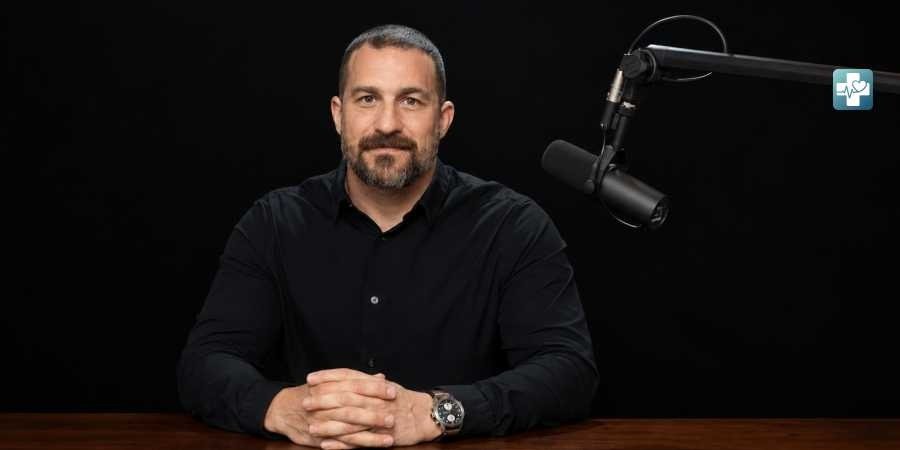
The Transformative Vision of Modern Healthcare CEOs Shaping the Future of Medicine 
Change sweeps through world health, pushed forward by new tools and rising demands from those seeking care. Steering this wave are top medical executives – people juggling tight budgets alongside high-quality treatment goals. Not simply managers of clinics anymore, they now shape systems built around digital access and personal needs. With each move, feeling meets numbers, guiding choices so complexity does not erase compassion at the core of progress. What holds steady is their duty: keep healing human even when technology leads.
Back then, climbing to the top in medicine meant following one clear route – usually through finance or old-school hospital administration. Now things shift. Leadership needs feel unlike what they used to be. Right now, heads of health systems must grasp how algorithms shape decisions, how payment tied to results changes behavior, also how neighborhoods thrive or struggle based on unseen social forces. With wider knowledge comes better connection – from corporate meetings straight down to nurses and doctors worn thin by constant strain. Vision sticks when it speaks plainly to everyone involved.
Navigating Tech and Compassion in Patient Care
Hospitals stretch beyond their doors when machines learn to guess what sickness comes next. Not every screen means cold distance – some bring warmth back into care. What looks like wires and software often turns out to be a nurse’s voice in someone’s kitchen at midnight. Folks far from cities now see doctors through glass, no long drives needed. Leaders toss old limits aside just by turning on a camera. Healing shifts when data speaks before symptoms show. Boxes that watch heartbeats quietly change who gets help – and how fast they get it. Tech moves in not to replace hands but to multiply them across counties. The clinic isn’t only where four walls meet anymore – it follows breaths, steps, sleep. Quiet clicks under skin send alarms well ahead of trouble.
The push toward automation also presents a cultural hurdle within large medical organizations. Healthcare CEOs must act as chief advocates for their workforce, reassuring clinicians that technology is a tool for empowerment rather than a replacement for human judgment. When a leader successfully integrates AI-driven diagnostic tools, they free up physicians to spend more meaningful time with their patients. This strategic shift requires a transparent communication style and a willingness to invest in continuous education, ensuring that the entire organization moves forward in lockstep with the pace of scientific discovery and technological implementation.
Financial Sustainability in an Era of Value-Based Reimbursement
The financial frameworks governing medicine are moving away from the traditional fee-for-service model toward a system that rewards outcomes rather than volume. This transition places immense pressure on healthcare CEOs to redefine how their organizations measure success. In this new paradigm, profitability is linked directly to the long-term wellness of the patient population. Executives must find ways to reduce readmission rates and manage chronic diseases more effectively through preventative measures. This shift requires a long-term investment strategy that may not show immediate returns on a quarterly balance sheet but ensures the viability of the institution for decades to come.
Managing the rising costs of pharmaceuticals and specialized medical equipment also falls under the purview of these strategic leaders. Healthcare CEOs are increasingly engaging in direct negotiations and forming collaborative partnerships with other industry players to leverage collective buying power. By streamlining supply chains and eliminating administrative redundancies, they can redirect saved resources back into patient care and staff development. The ability to maintain a healthy margin while serving a diverse demographic is perhaps the ultimate litmus test for leadership in the modern medical sector, requiring a sophisticated understanding of both global economics and local community needs.
Cultivating a Culture of Resilience and Inclusive Leadership
The internal culture of a medical institution is often a direct reflection of its top leadership. Healthcare CEOs are now prioritizing psychological safety and diversity as core components of their operational strategy. They recognize that a diverse workforce brings a variety of perspectives that are essential for solving complex medical puzzles and relating to a multicultural patient base. By fostering an inclusive environment, these leaders not only improve employee retention but also enhance the quality of care provided to the community. A culture that encourages open dialogue and learns from mistakes is far more resilient in the face of public health crises or systemic shifts.
Furthermore, the mental well-wellbeing of the medical staff has become a top-tier priority for the modern executive. Healthcare CEOs are implementing comprehensive wellness programs and redesigning workflows to mitigate the chronic stress associated with the medical profession. They understand that a depleted workforce cannot provide the level of care that patients deserve. By leading with vulnerability and authenticity, these executives are breaking down the traditional hierarchies that once stifled innovation and communication. This shift toward a more collaborative and empathetic leadership style is proving to be the catalyst for some of the most profound improvements in clinical outcomes and operational efficiency seen in recent years.
Looking Toward a New Horizon of Integrated Wellness
The future of the industry will be defined by how well these organizations can transition from being providers of “sick care” to being partners in total wellness. Healthcare CEOs are at the forefront of this movement, looking beyond the clinical setting to address the social determinants of health, such as housing stability, nutrition, and environmental factors. By partnering with local governments and non-profit organizations, they are expanding their influence to improve the foundational health of the populations they serve. This holistic approach represents the next frontier of medical leadership, where the success of a hospital is measured by the health of the streets surrounding it.
As we move forward, the role of the executive will continue to expand, requiring a constant state of learning and adaptation. The most successful healthcare CEOs will be those who can remain grounded in the core mission of healing while navigating the complexities of a globalized, tech-driven economy. They are the guardians of public trust, tasked with ensuring that the miracles of modern medicine are delivered with equity, efficiency, and unwavering compassion. Through their vision and dedication, the promise of a healthier society becomes not just a goal, but a tangible reality for generations to come.