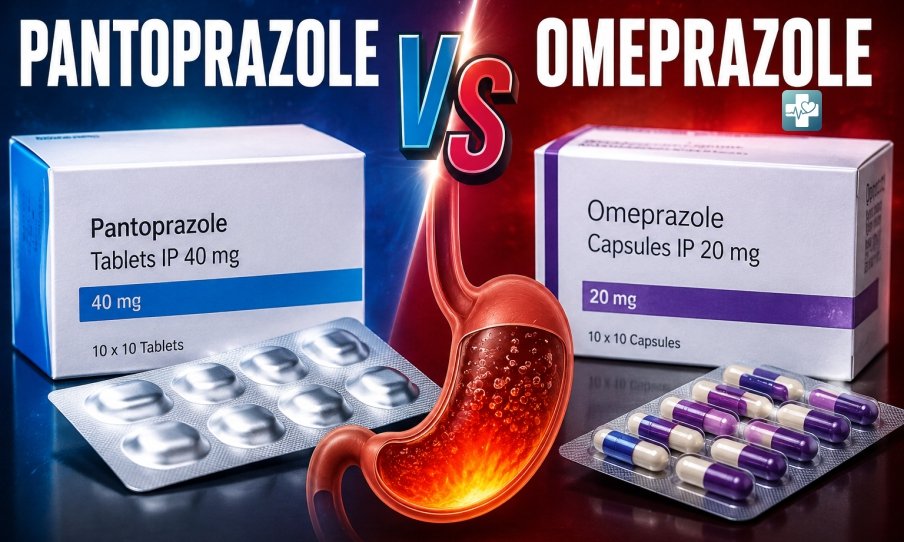
Navigating Gastrointestinal Health by Comparing the Differences Between Pantoprazole vs Omeprazole Treatments
For anyone dealing with long-term acid reflux, knowing how today’s medicines work matters. Heartburn that won’t go away leads many to weigh options like pantoprazole or omeprazole. These treatments slow down stomach acid by targeting pumps in the gut wall. Though both hit the same target, slight differences in shape and behavior set them apart. One may fit a person better – depending on how their body responds. Each has its own path through the system, affecting timing, absorption, even side effects.
Most digestion happens thanks to precise enzyme and acid levels working together. Yet if the valve at the base of the throat stays open too long, harsh stomach juice creeps upward. That backward flow brings sharp discomfort behind the chest bone – common after meals. Treatment paths shift based on symptom strength and what else is happening inside the body. One early option showed up decades ago, changing care for sores in the gut lining. A newer version followed, shaped differently by the liver. Because of that twist, doctors lean toward it when someone takes several prescriptions daily. Its behavior among other chemicals in circulation feels less disruptive.
How Proton Pumps Are Blocked and Relief Follows
Deep inside the stomach lining, tiny parts work in ways that show why medicines act as they do. Though different in structure, each affects the same key mechanism – H+/K+-ATPase, known widely as the proton pump. Stopping acid happens only after these drugs lock onto those pumps tightly. Only once attached does the process halt completely. Prodrug forms define them both, even when comparing pantoprazole with omeprazole. Starting out inactive, these compounds need stomach acid to wake up. Hitting the parietal cells, they lock onto the proton pump through a strong chemical link. Relief lasts more than a full day thanks to that stubborn attachment.
However, the speed at which these drugs take effect can vary. Omeprazole is frequently available over the counter, making it a highly accessible first line of defense for occasional heartburn. In contrast, pantoprazole is generally a prescription-only medication, often utilized in clinical settings for more intensive healing of erosive esophagitis. The decision to use pantoprazole vs omeprazole is frequently guided by how long the patient needs the acid suppression to last and how quickly they require the peak effect of the medication to manifest in their system.
Metabolic Pathways and Potential Interaction with Other Medications
One of the most significant technical differences between these two proton pump inhibitors lies in how the liver processes them. The cytochrome P450 enzyme system is responsible for metabolizing a vast majority of pharmaceutical compounds. Omeprazole has a higher affinity for certain enzymes in this system, which can occasionally slow down the metabolism of other drugs like blood thinners or anti-seizure medications. This is a primary reason why a physician might weigh the benefits of pantoprazole vs omeprazole differently for an elderly patient or someone managing complex comorbidities.
Pantoprazole is known for having a lower potential for these metabolic conflicts. Because it does not bind as strongly to the CYP2C19 enzyme, it is often viewed as a “cleaner” option for patients who must maintain a strict regimen of other vital pharmaceuticals. When comparing pantoprazole vs omeprazole, the safety profile regarding drug interactions becomes a pivotal factor in long-term maintenance therapy. While both are generally well-tolerated, the subtle differences in their chemical “behavior” inside the liver can lead to better outcomes and fewer side effects when the prescription is tailored to the individual’s unique chemical makeup.
Comparative Efficacy in Long Term Gastric Maintenance and Healing
Clinical studies have shown that for the majority of patients, both medications are highly effective at healing the esophageal lining and preventing the recurrence of ulcers. In many head-to-head trials, the healing rates for erosive esophagitis were nearly identical when comparing pantoprazole vs omeprazole over an eight-week period. Despite this, some patients report a subjective preference for one over the other based on how they feel during the first few days of treatment. Omeprazole may provide a slightly more rapid onset of symptom relief for some, while others find that the steady-state concentration of pantoprazole provides a more consistent “buffer” against nighttime acid breakthrough.
Dietary considerations also play a role in how these medications are administered. Omeprazole is typically most effective when taken thirty to sixty minutes before the first meal of the day, as the presence of food triggers the proton pumps that the drug needs to inhibit. Pantoprazole is somewhat more flexible in this regard; while taking it before a meal is still recommended for optimal results, its absorption is less significantly impacted by the presence of food in the stomach. This ease of use can improve patient compliance, which is a critical factor when managing chronic conditions that require daily intervention.
Evaluating Side Effects and Future Considerations for Digestive Wellness
As with any long-term medication, there are potential side effects to monitor when using pantoprazole vs omeprazole. Common issues include mild headaches, abdominal pain, or changes in bowel habits. More importantly, prolonged use of any proton pump inhibitor can lead to concerns regarding the absorption of certain nutrients, such as Vitamin B12, magnesium, and calcium. This is because a certain level of stomach acid is necessary for the body to extract these minerals from food. Therefore, whether a patient chooses pantoprazole vs omeprazole, they should remain under the supervision of a healthcare provider to ensure their nutritional levels remain balanced.
In the broader context of digestive health, these medications are tools rather than permanent cures for lifestyle-induced acid issues. While the debate of pantoprazole vs omeprazole centers on pharmaceutical efficiency, integrating these treatments with dietary modifications—such as avoiding spicy foods or late-night snacks—yields the best results. The future of gastric care continues to evolve, but these two pillars of medicine remain the gold standard for providing relief to millions. By understanding their subtle differences, patients can engage in more informed conversations with their doctors to find the specific path that leads to a comfortable, acid-free life.
Perspectives on Future Digestive Management
Moving forward, the focus on individualized medicine suggests that the choice between these two agents will become even more precise. As we learn more about genetic variations in liver enzymes, we can better predict who will respond best to one versus the other. For now, the established track record of both drugs offers a reliable safety net for those struggling with the discomfort of acid-related disorders. Consultation with a medical professional remains the most effective way to determine which of these powerful inhibitors aligns with your specific health profile and long-term wellness goals.